There is no single website that is best for every Indian legal-research task. Start with official court sources when you need the judgment text, order, current case status or authentic procedural record. Use legal databases and search engines to discover citations, search across documents and trace later treatment, then verify important propositions against the court’s judgment and binding law.
That source-first approach is more useful than ranking sites by popularity. Coverage, search, citation tools, document quality, access conditions and update timing vary. This guide compares source types without recommending a paid product or relying on vendor feature claims.
Which sources are official?
For Supreme Court judgments, use the Supreme Court of India website, which provides judgment and order resources, and the official Supreme Court Reports portal for reported judgments. For High Courts and district courts, start with the relevant court’s own website or the eCourts Services portal. The e-Committee’s Judgment Search portal supports searching Supreme Court and High Court judgments.
The portal may help you locate a judgment, but publication coverage and metadata are not identical across courts or time periods. Some older decisions may not be digitized or searchable by full text. Some PDFs are scanned images. A missing search result is not proof that the court never issued an order.
Official court records are especially important when you need to verify the operative text, bench, date, case number, appeal history, order status or whether an interim order was later varied. For filing or formal use, check whether a certified copy is required. A PDF accessed online is not automatically a certified copy.
What role do legal databases play?
Commercial legal research databases can help locate case names, citations, headnotes, parallel citations, statute references and citing decisions. They may offer search functions or citators that are not available on a court portal. Access terms and available features differ. Verify current product descriptions directly with each provider before making purchasing or coverage assumptions.
Free search engines and public judgment repositories may make it easier to find cases by words, party names or citations. They are valuable discovery routes, but a reposted PDF or cleaned text may not show every page, correction, annexure or subsequent procedural development. Check the original court source when it is available.
A useful comparison is by job to be done:
| Research need | First place to look | Then verify |
|---|---|---|
| Find a Supreme Court case by party or citation | SCI judgment resources, e-SCR, or a research database | Signed judgment, bench, date and final operative part |
| Find a High Court decision by topic | eCourts Judgment Search or the relevant High Court website | Full judgment on official source, appeal and later treatment |
| Check a district court order or case status | eCourts Services and the court’s own case system | Correct CNR, court, order date and document |
| Search a statute or amendment | India Code and official Gazette sources | Commencement, amendments and territorial application |
| Locate later cases citing an authority | A database with citation links, plus forward searches | Read later judgments and classify treatment proposition by proposition |
| Obtain a document for filing | Court copying section or prescribed certified-copy channel | Certification rules and current court procedure |
Treat this as a source map, not a scorecard. No portal should be described as complete for every court, every year and every document unless there is reliable, current evidence for that claim.
How should you verify a case found online?
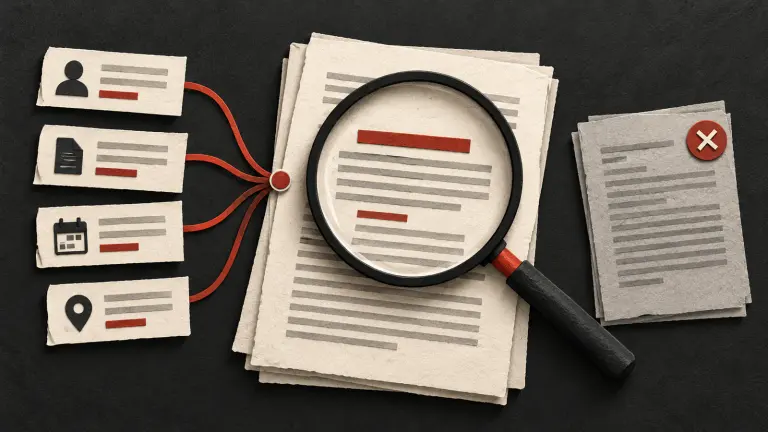
Begin with the citation, court, bench, date and issue. Open the full judgment, not only a headnote or search-result excerpt. Confirm that the passage relied on belongs to the court’s reasons and not counsel’s submissions, a quoted authority, a dissent or a procedural summary. Check the final order and any later appeal, review, recall or modification.
For the rule itself, identify the ratio: what proposition did the court decide on the facts and issue before it? A broadly worded observation may be obiter or tied to a statutory version that has changed. Compare the case’s facts and procedural posture with your research question. A high court precedent may bind courts within its jurisdiction under applicable hierarchy, while a decision of another High Court will generally be persuasive only. Article 141 makes the law declared by the Supreme Court binding on all courts within India.
Gotham’s case-law research by statute section explains how to start from the provision; the citation verification checklist covers source, proposition and treatment checks. Use finding binding precedent in India for hierarchy and ratio analysis.
How do you search efficiently?
Search the exact citation first if you have it. If not, define the legal proposition in one sentence, list synonyms and statutory terms, then search across an official portal and a discovery source. Search party names, neutral citations, report citations, statute sections and distinctive phrases separately. Record search terms and dates so another researcher can reproduce the path.
For example, a search about whether an employer may appoint a sole arbitrator could include “unilateral appointment”, “sole arbitrator”, Arbitration Act section 12(5), section 18, and the names of known Supreme Court cases. Search the later-citing authorities as well as the original case. Then read the actual judgments and check for a larger-bench ruling.
Do not confuse search ranking with authority. The first result may be a case summary, an unrelated decision with similar words, a superseded page or an order rather than a judgment. Search breadth finds candidates; legal hierarchy and the judgment text determine relevance.
Worked example: a section 138 question
A researcher needs to understand the notice period for cheque dishonour. They first open the official Negotiable Instruments Act on India Code and identify section 138’s proviso and section 142(1)(b). They then search official Supreme Court and High Court judgment sources for decisions explaining how the statutory dates work. A database may help reveal cases and citing decisions, but the researcher verifies the quotations, procedural context and later treatment from the court judgments.
The final note records the statutory text, cases, proposition supported, jurisdiction, last checked date and any unresolved issue. This is more useful than a list of ten search links. A deadline workflow can retain the relevant date and source for a legal team.
What are common website mistakes?
Relying on an excerpt without opening the PDF; citing a headnote as though it were the court’s words; treating a database label as a final good-law conclusion; missing amendments or commencement dates; assuming a document is certified; overlooking an appeal; and treating a decision from another jurisdiction as binding are frequent problems.
Coverage gaps also create false confidence. A site may return no result because the order is not indexed, the scan has no text layer, the name is spelled differently, or the case uses another citation. Try alternate identifiers, the court’s case-status page and the copying section. Record uncertainty instead of writing “no judgment exists.”
How can teams make research repeatable?
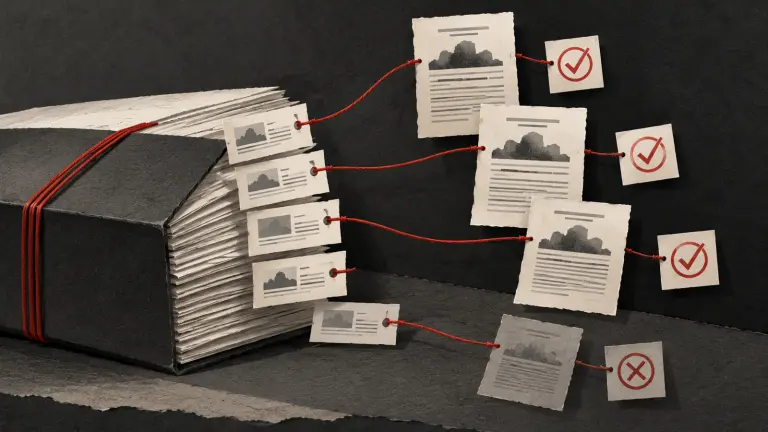
Keep an authority table with case name, citation, court, bench, date, official source URL, paragraph, proposition, treatment, jurisdiction and verification date. Store the search terms and note when you relied on a database feature. Separate discovery notes from authorities approved for a final filing.
For a company or law firm, assign a reviewer to verify the official judgment and another to check whether the proposition fits the issue. The judgment-treatment guide describes a forward-search method. For broader workflow context, see legal research in India, the AI legal research overview, contact Gotham, or the home page. Gotham’s tools support research workflows; they do not certify completeness or replace legal judgment.
Frequently asked questions
Which website is official for Supreme Court judgments?
The Supreme Court of India’s website provides official judgments and orders, and its Supreme Court Reports portal publishes reported judgments. Verify the case number, bench, date and final order against the court record. For formal filing, check whether a certified copy is required.
Where can I search High Court judgments for free?
The e-Committee Judgment Search portal searches Supreme Court and High Court decisions, and each High Court may provide its own judgment search. Search by party, case number, citation or distinctive text, then open the full official judgment where available.
Are private legal databases reliable?
They can be useful research tools for discovery, citations and later-case links. Reliability depends on the specific record and feature. Verify important text, current law and treatment from official primary sources before relying on a proposition.
Is Indian Kanoon an official court website?
No. It is a private legal information site that can be useful for finding case text and references. Confirm the judgment against the official court portal when possible, especially for a filing, status question or later treatment.
Does a search portal show every judgment?
Do not assume complete historical coverage. Digitization, scanning, metadata and indexing differ across courts and years. Try alternate case identifiers and consult the court’s record or copying section if a needed document is not online.
Is an online judgment PDF a certified copy?
Not automatically. A court-hosted PDF is an official online source for reading, but formal use may require a certified copy under the applicable procedure. Check the receiving court’s rules and the issuing court’s process.
A source-first workflow
Use discovery tools to find promising authorities, official court sources to verify the text and procedural status, and a written authority table to preserve what each case actually decides. That method is more dependable than choosing a website by popularity alone.
This article provides general legal research information, not legal advice. Portal coverage and access can change, and the applicable authority depends on the court and issue. Verify important propositions against official records.
How Gotham researches and reviews field guides