To find a judgment on Indian Kanoon, search with the most exact information you have: a case citation, party names, court and year, or a distinctive phrase from the decision. Open the full result, confirm that it is the correct case, and use the case details to locate the official court record. Indian Kanoon is a private discovery resource, so an online result should not be treated as proof that the copy is complete, current or certified.
The method below works whether you start with a citation from a pleading or only remember one party’s name. It focuses on finding the right judgment and verifying it before relying on the rule.
What details should you search with?
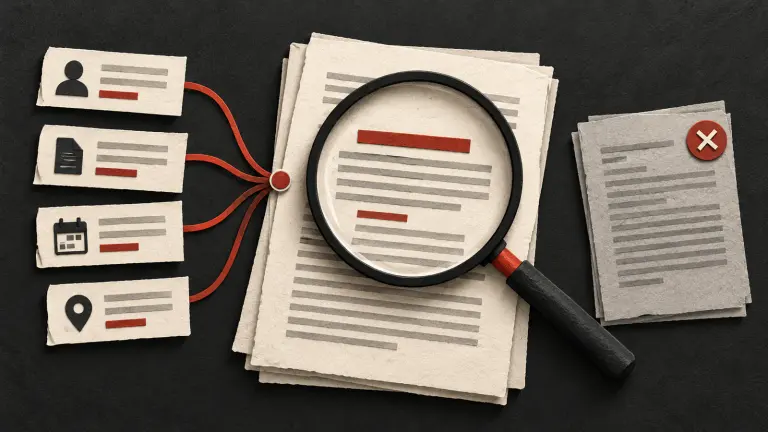
Use the most unique identifier available. A citation is usually more precise than a common party name. If the citation may be incomplete, combine party names with court and year. For full-text search, put a distinctive phrase in quotation marks, then try alternate spelling if no result appears.
| What you know | Search approach | Next check |
|---|---|---|
| Report citation | Search the citation exactly, including year and reporter | Confirm parties, court and decision date |
| Neutral citation | Search the neutral citation and court | Verify citation format against official source |
| Both party names | Search both names; add court or year | Check spelling, abbreviations and connected appeals |
| One party name | Add the other party if known, case type or year | Compare facts and case number, not title alone |
| A legal phrase | Search an exact phrase, then a few distinctive terms | Read context to see who said it and what issue it answers |
| Statute and section | Add the Act name, section and court | Confirm the decision interprets the relevant version |
Names may appear in several forms: initials, “and another”, company abbreviations, transliteration, or a reversed petitioner/respondent order. Try variants rather than treating one failed query as proof that the case is missing.
How do you avoid opening the wrong case?
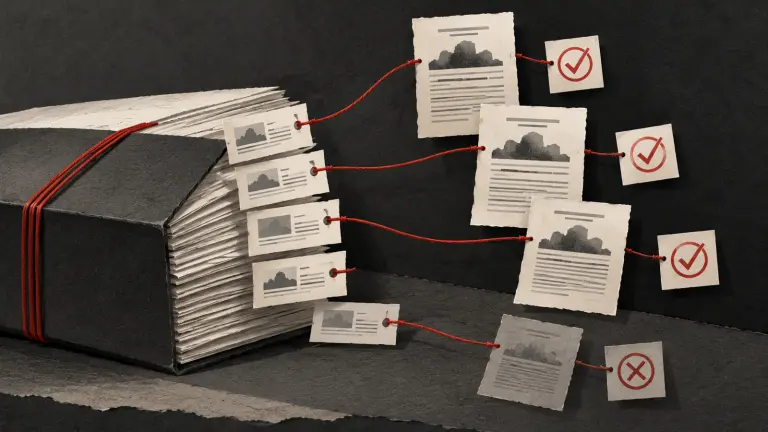
Search results can contain similarly named parties or multiple proceedings from the same dispute. Before using a result, compare the full party names, court, case number, decision date, bench and subject. Read the opening pages and final order. Check whether the document is an interim order, final judgment, review, appeal, or a later proceeding concerning the same case.
If the judgment quotes a familiar proposition, search within the text to find the relevant passage. Read the paragraphs before and after it. A phrase may come from counsel’s argument or a case quoted by the court, not from the court’s own holding. Record the paragraph and proposition separately.
A useful source hierarchy is: official court judgment or order; official reporter where available; reliable research database for discovery and cross-reference; other reposted copy as a lead. This hierarchy does not mean every official portal is easy to search. It means that material legal conclusions should be checked against the court’s record.
How do you verify the result through official sources?
For Supreme Court matters, use the Supreme Court of India website and its Supreme Court Reports portal. For High Court or district-court records, search the relevant court’s official site and the eCourts Services portal. The e-Committee Judgment Search portal offers another official route for Supreme Court and High Court decisions.
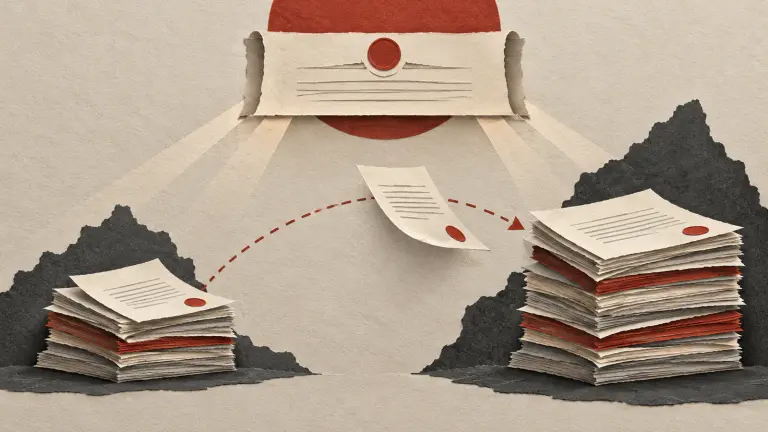
Search by case number, party name, court, year, date or citation as the portal permits. Compare the official PDF’s first page and final order to the research result. Check linked or later proceedings, because an appeal, review, recall or modification may change how the case should be described.
An online court-hosted PDF is useful for research, but do not assume it is a certified copy for filing. Follow the court’s copy application process and the receiving court’s requirements if formal certification is needed.
What if the judgment does not appear?
Try alternate party spellings, initials, citation formats, year ranges, case number, court and a phrase from the body. Search the official case-status portal for the CNR or filing number. Some older judgments are scanned images whose words cannot be found by full-text search. Some orders are not digitized, have limited metadata or are published under an unusual title.
If the matter is important and the judgment remains unavailable, contact the relevant court registry or copying section. Record which searches you tried and whether the source had a coverage limitation. Write “not located in these searches” rather than “no judgment exists.”
Worked example: only a party name and year are known
A fictional researcher is told to find a 2019 High Court decision involving “Rao” and a lease dispute. “Rao” alone returns too many results. The researcher adds the other party’s known company name and the likely court, then checks the judgment’s case number and date. If the online text includes a passage on registration, the researcher reads the surrounding paragraphs to confirm the court actually decided that issue.
Next, the researcher searches the High Court’s official judgments page or eCourts portal using the case number and date. The official PDF confirms the bench and final disposition. The researcher then checks whether the decision was appealed or later distinguished. The record contains the query terms, official URL, paragraph relied on, and treatment-check date. This creates a reproducible path without pretending that a single search is exhaustive. No real case or party is described in this example; the names and facts are invented to demonstrate the search method.
How do you check whether the judgment still matters?
Finding the judgment answers identity, not current authority. Identify the rule the court decided, court hierarchy and bench strength. Search for later decisions citing it, then read those decisions to see whether they followed, applied, distinguished, doubted, referred or overruled the relevant proposition. A platform’s treatment tag is a clue, not a final legal conclusion.
Use Gotham’s case-law citation verification checklist, judgment-treatment research guide, and binding precedent guide. For section-first queries, see case-law research by statute section. Those guides explain how to separate case identity from proposition, jurisdiction and later treatment. If a case is being relied on for an electronic record, review the BSA electronic-evidence checklist as a separate admissibility workflow; finding a judgment and proving a document are different research tasks.
When saving the result, include a stable copy or official link, the search date, the database query, and a note about any unavailable material. If the official portal changes URLs, the case number and court remain useful retrieval keys. A colleague should be able to repeat the search and reach the same decision without relying on a copied headnote. For a high-stakes filing, have a second reviewer compare each proposition to the judgment text and verify that the cited paragraph is still good law.
For teams, keep an authority record with citation, court, bench, date, official source, relevant paragraph, issue, proposition, later treatment and last checked date. This reduces the risk that a copied extract is reused without the context that made it relevant.
Worked checklist before citing
Before relying on a case found through Indian Kanoon, verify:
- The case name, court, case number, bench and date match your intended authority.
- The full judgment is available and the paragraph appears in the court’s reasoning.
- The final order and procedural posture are clear.
- The statutory version and material facts match the point you need.
- The case’s binding or persuasive status fits the court where your matter is pending.
- Later treatment and any appeal, review or modification have been checked.
- The official source URL and verification date are saved in the research note.
- Any filing copy meets the receiving court’s rules for certification.
Frequently asked questions
Is Indian Kanoon an official source?
No. It is a private legal information site that can help find judgments and references. Verify important text and status through the relevant official court source where available, especially before filing or advising on a live dispute.
Can I search by citation on Indian Kanoon?
Yes, a citation is a useful query when it is accurate. Try the complete reporter or neutral citation, and check party name, court and year in the result. If it does not appear, try alternate formats and party names.
How do I find a case when I know only one party?
Add the likely court, year, legal issue, case type or other party name. Try spelling variations and initials. Verify the case number and facts before assuming a similar title is the right judgment.
Can I cite a paragraph copied from Indian Kanoon?
First verify the paragraph in the complete judgment, preferably from the court’s official record. Ensure it is the court’s reasoning rather than an argument or quotation, and check later treatment and citation format.
What if only a scanned PDF is available?
Open the PDF and inspect it visually. Search may fail because a scanned image has no text layer. Use the case number or party name on the official portal and contact the court registry if the required record is not online.
Is the website copy a certified copy?
No. A private-site copy is not a court-certified copy. Even a court-hosted PDF may not meet formal certification requirements. Check the court’s current copy procedure and the receiving court’s rules.
Reliable result, verified source
Use Indian Kanoon to locate a likely case efficiently, then confirm its identity, text and current status from court records. Capture the exact paragraph and the rule it supports. That extra verification turns a search result into a research source that another lawyer can check.
This article provides general legal research information, not legal advice. A private search index is a discovery aid; confirm the decision, status and relevant passage with authoritative court records.
How Gotham researches and reviews field guides