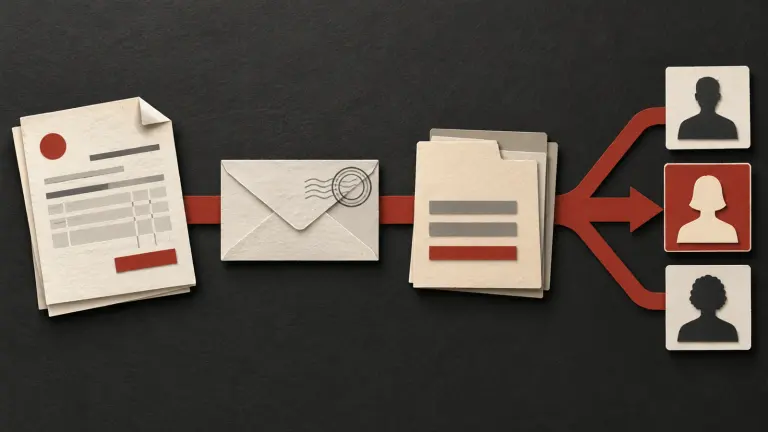
An England and Wales sole trader with an unpaid business invoice should first confirm who contracted, what work or goods were agreed, what was delivered, what is disputed and how the sum is calculated. If the matter remains unresolved, a clear letter before claim can explain the legal and factual basis, the amount sought and a reasonable response date. The letter should invite a proportionate resolution, preserve supporting documents and avoid inflated threats. It does not guarantee payment or replace court rules.
For business-to-business debts, statutory late-payment interest and recovery costs may be available in qualifying cases under the Late Payment of Commercial Debts (Interest) Act 1998. Eligibility and contract terms matter. Before calculating interest, identify the debtor and creditor as businesses, the type of transaction, the agreed payment date and any contractual interest provision. Do not claim statutory interest automatically on every unpaid invoice.
Reconcile the debt before drafting
Start with the contract record. This may include a signed agreement, accepted quote, proposal, purchase order, email, online terms or a course of dealing. Identify the parties’ legal names and addresses, scope, price, milestones, acceptance criteria, payment date, variation process, late-interest terms, complaint procedure, governing law and dispute-resolution clause. A trading name may not be the legal debtor.
Build a dated chronology: order, work, delivery, approval or rejection, invoice, due date, reminders, part payments, credit notes and any promise to pay. Keep the source for each event. Reconcile the principal amount separately from interest, fixed recovery compensation, court fee and any legal costs. Do not add a cost simply because it appears on a template; identify its legal basis and whether it is recoverable.
If the client disputes quality or completion, ask it to state the specific work and remedy it seeks. Preserve drafts, acceptance messages, change requests, delivery links, access logs and revision history. Do not erase or alter the original project record. An invoice proves a demand for payment, but a disputed claim may also require proof of agreement, performance and the amount due.
What a proportionate letter before claim should say
The Civil Procedure Rules Practice Direction on Pre-Action Conduct and Protocols expects parties, before proceedings, to exchange enough information to understand each other’s position, make decisions about settlement and consider a form of ADR. Where no specific pre-action protocol applies, a claimant should set out a concise summary of the facts, what is sought and how any money figure is calculated. The defendant should respond within a reasonable time; the Practice Direction indicates 14 days for a straightforward case and no more than three months for a very complex one, depending on circumstances. Check the current official text and any protocol applicable to the specific claim.
A practical letter can include:
- The claimant’s legal name, trading name, address and contact details.
- The client’s correct entity name and service address, with the basis for identifying it as debtor.
- The contract or accepted order, the relevant work/delivery and invoice reference.
- A short chronology and the amount claimed, with principal, credits and interest shown separately.
- Copies or descriptions of the key documents relied on.
- The specific response requested, the date for response and where to send it.
- A genuine invitation to discuss payment, mediation or another proportionate resolution.
- A statement that proceedings may be considered if the matter is not resolved, without overstating certainty.
The response period must be reasonable in light of the complexity and urgency. Do not use a 7-day ultimatum by default. If limitation is close, seek legal advice immediately; a pre-action letter does not necessarily stop time running. Keep proof of sending and delivery, and save the exact version sent.
Check late-payment interest and recovery compensation
The GOV.UK late-commercial-payment guidance explains that businesses may be able to claim statutory interest and fixed compensation for late commercial payment. It describes statutory interest at 8% above the Bank of England base rate, unless the contract sets a different interest rate; the calculation and accrual date depend on the transaction and terms. A business may also claim fixed recovery compensation by debt amount where applicable. These remedies are governed by the Act and its regulations, so check the current rules, any contractual alternative and whether the particular transaction qualifies before including them.
Show the calculation transparently: principal amount, due date, applicable rate or contractual term, accrual period, payments/credits, compensation claimed and date calculated. If you cannot verify the current rate or applicable payment date, leave the estimate out of the demand or label it as provisional pending advice. Avoid charging both a contract amount and statutory compensation if the law does not permit that combination in the case.
Decision table: settle, clarify or file?
| What the debtor says or the records show | Next step to consider | Caution |
|---|---|---|
| No response and clear delivery/acceptance | Send one documented final pre-action communication and assess a money claim | Confirm service address, entity and limitation period |
| Specific dispute over scope or quality | Request a particularised explanation and compare it with acceptance terms | Do not treat silence or partial use as automatic acceptance in every case |
| Request for instalments | Assess affordability, security, dates, default terms and written acknowledgment | A settlement should clearly state its effect on the original debt and interest |
| Client says it is insolvent or in administration | Check official status and obtain advice on proof of debt/priority | A normal claim may be stayed or commercially pointless |
| Claim value is small relative to recovery cost | Consider negotiation, ADR and the correct court route | Winning a judgment does not itself ensure collection |
Worked hypothetical
Leah is a sole-trader designer in England. A UK company accepted a written quote for a £4,800 website redesign, approved the staging site by email, and received the final files. The invoice was due 30 days later. The company paid £1,000 and then said it would pay the balance “when cashflow improves.” The contract contains no late-interest clause.
Leah should first verify the company’s legal name and reconcile the balance after the £1,000 payment. She should preserve the quote, acceptance email, delivery logs, invoice and payment record. Her letter should describe the agreed scope, acceptance, due date and remaining principal, then explain any statutory interest and fixed compensation only after checking eligibility and the current calculation. She can invite a payment plan or mediation while reserving the right to seek a court remedy. The example does not establish entitlement to interest, costs or success in court.
Choosing a court route
The GOV.UK money-claim guidance explains that eligible money claims can be brought through the county court, and provides an online route for some claims. Its online service has limits; for example, parties or addresses outside England and Wales may prevent using the online process. Scotland and Northern Ireland use different processes. Claim value, defendant location, complexity, contract jurisdiction clause, insolvency and likely enforcement all affect the route. Verify the current eligibility and fee before filing.
Before filing, confirm the exact defendant, legal basis, principal and interest calculation, limitation period, address for service and evidence. A court claim requires a truthful statement of case, not just a copy of the invoice. Consider whether negotiation or ADR could resolve the dispute at lower cost. If the amount is material, the debtor raises a defence, or a limitation deadline is near, consult an England and Wales solicitor.
Common mistakes
- Addressing a demand to a project contact instead of the contracting entity.
- Claiming interest or compensation without checking whether the statutory conditions apply.
- Sending a threatening letter with no calculation or supporting documents.
- Using an unreasonable response deadline as a default.
- Assuming the client’s promise to pay restarts or suspends limitation automatically.
- Filing through an online service without checking its party, address and claim eligibility rules.
- Treating a judgment as equivalent to cash recovery.
- Applying England and Wales procedure to Scotland or Northern Ireland.
For related reading, see our contract obligation and reminder workflow, cross-border invoice evidence guide, and England employee copyright guide. The US article describes US jurisdiction, not UK debt law. You can contact us to organize a record review or explore document workflows; these do not calculate legal entitlement or file a claim.
Questions people ask
What should a letter before claim contain for an unpaid invoice?
Identify the parties, agreement, work or delivery, invoice, due date, amount calculation, key documents and response requested. Keep the facts concise, attach relevant records and invite a proportionate resolution. Check whether a specific pre-action protocol applies.
How long should I give the customer to respond?
The applicable protocol and complexity matter. The general Pre-Action Conduct Practice Direction indicates 14 days for a straightforward case and up to three months for a very complex one; it does not create one fixed deadline for every claim. Choose a reasonable period and have counsel review the timing.
Can a sole trader claim statutory interest from a company?
Potentially, if the transaction and parties fall within the Late Payment of Commercial Debts Act and no relevant contractual term changes the position. Verify the current rate, due date, calculation and any fixed compensation before making the demand.
Does sending a letter stop the limitation period?
Do not assume that it does. Limitation rules are separate from a demand process. If a deadline may be approaching, seek solicitor advice promptly and do not wait for a response before protecting your position.
Can I use the online money-claim service if my client is abroad?
Not necessarily. GOV.UK states that the online route has eligibility limits, including certain parties or addresses outside England and Wales. Check the current service criteria and obtain advice about jurisdiction and service.
What if the client says the work was defective?
Ask for specific defects and compare them with the agreed scope, acceptance process and messages. Preserve versions and delivery evidence. A client’s complaint may affect the amount or create a counterclaim, but it does not automatically extinguish all fees.
Should I accept instalments?
That is a commercial decision. Consider payment dates, ability to pay, whether the debt is admitted, interest, security, what happens on default and whether the agreement settles or merely schedules the claim. Put any settlement terms in writing after advice where material.
What if the debtor is insolvent?
Check the official insolvency status and get advice on the procedure for submitting a claim, any moratorium or stay, and likely recovery. Ordinary court action may be restricted or uneconomic in an insolvency process.
Pre-claim checklist
Confirm the parties and contract; reconcile principal, payments and credits; preserve the work and acceptance record; check terms, limitation, jurisdiction and any specific protocol; verify statutory interest and compensation eligibility; write a concise and proportionate demand; allow a reasonable response period; keep proof of delivery; evaluate ADR and collectability; verify court-claim eligibility and current fees; and seek advice before filing a defended or cross-border claim.
General information, not legal advice. The procedure described is for England and Wales and can depend on the parties, claim value, contract, service address and current rules. Scotland and Northern Ireland have separate procedures. Have a solicitor review a disputed or high-value claim and all deadlines.
How Gotham researches and reviews field guides