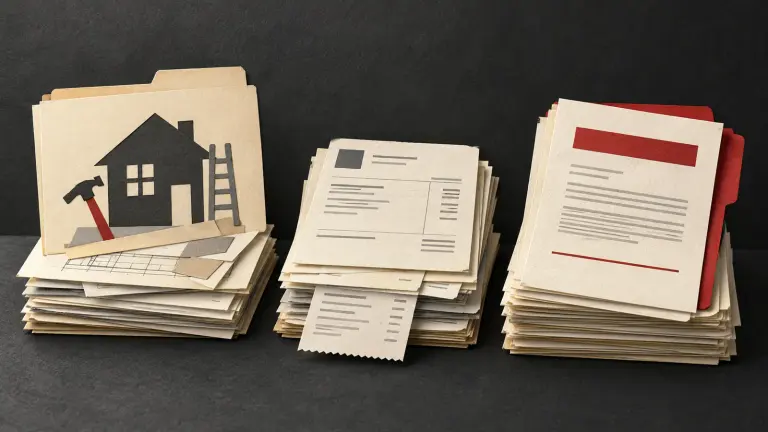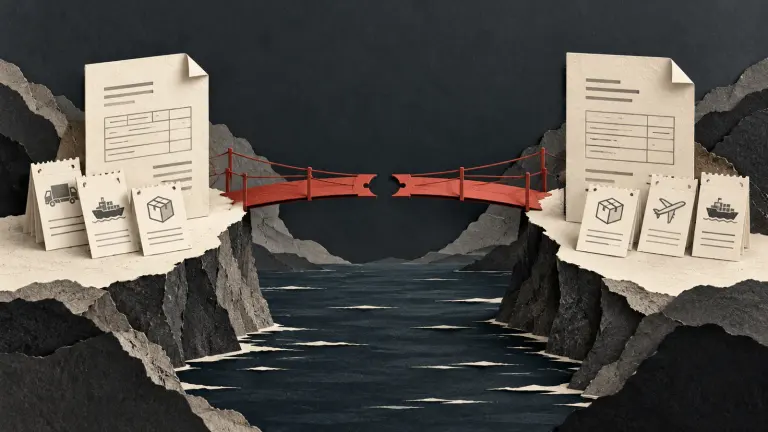
An overseas freelancer can pursue a US customer's overdue invoice even if there is no single paper contract bearing both signatures, but first establish what the parties agreed, what work was performed, which business owes payment, and where a claim can properly be brought. A signed proposal, accepted estimate, purchase order, email exchange, invoice history and delivery records may each help reconstruct the transaction. They do not automatically prove every disputed term or decide the court's authority.
The practical sequence is: preserve the records, reconcile the amount, read any terms about governing law and forum, send a measured demand to the correct legal entity, and obtain state-specific advice about venue, service and deadlines before filing. Winning a claim and collecting it are separate problems. The customer's state, the freelancer's country and the value of the claim can materially change the available route.
Start with the transaction, not the invoice total
Create a timeline from the first request through delivery, acceptance, invoice, promised payment dates and follow-ups. Keep the source for every event. An invoice proves that a payment request was made; by itself, it may not prove the customer's acceptance of the scope or amount. An email saying “we will pay in three instalments” may help prove an acknowledgment or a proposed arrangement, but its effect depends on the complete exchange and applicable law.
Collect the documents in their original form where possible:
- The proposal, statement of work, accepted estimate, purchase order and any online terms in effect when the client ordered.
- Emails and messages that show who requested the work, the scope, price, revisions, deadlines, approvals and changes.
- Deliverables, dated drafts, file-transfer records, meeting notes, project logs and acceptance or use by the customer.
- Each invoice, credit note, payment receipt, bank confirmation and agreed instalment schedule.
- The customer’s exact legal name, registered address, state, business type and the name of the person who approved the work.
- Any dispute or complaint about quality, scope, delay or set-off, including your response.
Preserve messages with headers and attachments, not only cropped screenshots. Export relevant conversations, keep copies of delivered files and record dates in a contemporaneous chronology. Preserve only information you are entitled to retain, and avoid taking unrelated customer data. If a communication platform is about to delete records, export them before access ends.
Read the agreement package for a forum and governing-law clause
Search the signed agreement and attached terms for “governing law,” “venue,” “forum,” “jurisdiction,” “arbitration,” “notice,” “service,” “invoice,” “acceptance,” “late fee,” “limitation,” and “entire agreement.” An order form may incorporate a master services agreement through a link; keep a copy of the incorporated version. Check whether the clause names a state, a particular court, arbitration, or a notice address. A customer's state of incorporation may differ from its office, project team or payment office.
If no signed document exists, do not jump from “no signature” to “no agreement.” The communications and conduct may show an offer, acceptance, scope, price and performance. But there can be disputes about which online terms were incorporated, whether the person who approved the work had authority, whether a later change replaced an earlier term, or whether the customer accepted the result. Ask counsel to assess the whole record under the potentially applicable law.
The US Courts overview of the federal and state court systems is a starting point for understanding that federal courts do not hear every ordinary payment dispute. The Federal Rules of Civil Procedure govern procedure in federal district court, not state small-claims procedures. A federal case may require an independent basis for federal jurisdiction. For example, 28 U.S.C. § 1332 addresses diversity and alienage jurisdiction, including citizenship and amount-in-controversy requirements; simply having a customer in the United States does not establish jurisdiction. State courts often hear ordinary contract claims, but venue, service, small-claims limits and remote participation vary by state and court.
If the customer is in a different country from you, also ask counsel in the relevant jurisdictions about cross-border service, enforcement of any judgment where assets are located, and the cost of each step. A contract clause, a court’s service rules and applicable treaties may matter. Do not assume that filing where you live is sufficient or that a US judgment will be easy to enforce abroad.
Send a demand that can be checked
Address the demand to the contracting entity, not only the individual project contact. Identify the project and agreement or accepted quote, state the invoice number and amount, show credits and payments, give a short delivery and approval timeline, and attach only the records needed to explain the calculation. If instalments were promised, state the dates and amounts and identify any missed instalment.
Ask for a specific action by a reasonable date: payment, a written explanation identifying disputed line items, or a proposed payment schedule. Use the notice method and address required by any applicable contract. Keep proof of sending and delivery. Avoid threats of criminal action, public shaming, or claims about guaranteed legal fees or damages. If the customer raises a quality dispute, respond to each issue with the relevant scope, change approval and delivery evidence rather than sending a long accusation.
Where the parties agree on a payment plan, document the amount, dates, method, consequences of missed payments and whether the plan changes or preserves other rights. Do not release source files, rights or claims as part of a settlement without understanding the proposed language. A lawyer can review a settlement or release before it is signed.
Choose a route only after checking the claim and defendant
There is no nationwide US small-claims court. Each state sets its own court structure, claim limits and procedures. A federal court is not a convenient substitute just because one party lives abroad. Before choosing a court, identify the contractual forum clause, the defendant's legal identity and location, amount sought, where the work was performed, where the agreement was made, and whether the claim includes anything beyond a straightforward invoice.
| Situation | What to verify | Why it changes the next step |
|---|---|---|
| Contract names a court or arbitration forum | Exact clause, scope and any incorporated terms | It may determine where or how a dispute must be filed, subject to applicable law |
| Customer is a corporation or LLC | Exact entity name, registered agent and state | A judgment against the wrong affiliate may not reach the contracting party |
| Claim is within a state's small-claims limit | State court's current dollar cap, venue, service and remote-hearing rules | Limits and rules are not uniform across the US |
| Customer is abroad or assets are abroad | Service and enforcement advice in both places | A judgment may require separate recognition or collection steps |
| Customer disputes performance or scope | Contract version, change approvals, evidence and counterclaims | A merits dispute may make small claims or informal demand less suitable |
Do not rely on online comments that a particular process is “easy” or that a defendant will default. If the deadline to sue may be near, seek advice promptly. Negotiations do not necessarily pause a limitation period. Keep a written calendar for any filing deadline after counsel identifies the governing law and claim type.
Worked hypothetical: instalments promised by email
Suppose a designer outside the US completed a website for an American company. The project began after an email accepted a two-page estimate. The designer sent the first invoice, delivered the site, and the customer requested a three-part payment schedule. It paid the first instalment, then stopped responding.
The designer should preserve the accepted estimate and complete thread, the version of any linked terms, dated delivery and acceptance messages, all invoices, the partial payment record and later follow-ups. The reconciliation should show the original amount, instalment one received, remaining balance and any credit. Before filing, the designer should verify the exact entity name, state, forum clause, claim limit and service method with counsel. The known facts may support a demand, but they do not by themselves resolve whether the federal court, a particular state court or another forum is proper.
Common mistakes
- Treating an invoice as proof of every contract term without preserving the accepted estimate or order.
- Suing a brand name, employee or parent company instead of identifying the entity that ordered the work.
- Filing in the freelancer's home court without checking a forum clause, venue rules and jurisdiction.
- Assuming federal court is available because the parties are in different countries.
- Sending an inflated demand that mixes principal, interest, fees and speculative losses without explaining each basis.
- Confusing a court judgment with collection. A judgment does not ensure that the debtor has reachable assets.
- Ignoring the contract's notice method or failing to retain proof that a demand was delivered.
For related workflow questions, see organizing litigation documents, preparing a legal research memo for US lawyers, and the Florida freelance design dispute guide. The state-specific rules in those matters should not be imported into another dispute. You can contact us to organize a document review or explore document workflows; neither provides legal advice or files a claim.
Questions people ask
Can emails create a contract if the client never signed a formal agreement?
Possibly, depending on the communications, conduct, authority of the people involved, subject matter and applicable state law. Preserve the full thread, accepted estimate and delivery history. A missing signature on one document does not answer whether an agreement formed, but it can make disputed terms harder to establish.
Is an unpaid invoice enough to file in US small-claims court?
An invoice may be part of the evidence, but eligibility depends on the state’s claim limit, venue, defendant, claim type and service rules. There is no single national small-claims process. First identify the customer's state and the agreement's forum clause.
Can an overseas freelancer sue in federal court?
Only if a federal court has jurisdiction and the other procedural requirements are met. Diversity or alienage jurisdiction has statutory requirements; the fact that one party lives outside the US is not, by itself, enough to choose federal court. A state court may be the correct forum.
What if the customer acknowledged the balance but then stopped paying?
Preserve the exact acknowledgment and surrounding messages, including any conditions or proposed schedule. It may be relevant to the debt or payment arrangement, but its legal effect and any impact on a limitation period depend on applicable law. Do not rely on it without reviewing the full exchange.
Should I add interest or collection costs to the demand?
Only if a contract or applicable law supports the charge, and calculate it transparently. State law, contract wording and claim type matter. Label principal, contractual interest, statutory interest and costs separately, and have counsel verify any statutory rate or recovery rule.
What if the customer says the work was defective?
Compare the complaint with the agreed scope, acceptance criteria, change requests and delivery record. Preserve the customer’s specific objections and your response. A real performance dispute may affect the amount, defenses or forum; do not treat silence or prior use as an automatic legal admission.
What should I do if the client promised instalments?
Create a schedule of each due date, amount, payment received and balance. Ask the client to confirm any revised plan in writing. Check whether the arrangement modifies the original agreement or includes a release, waiver or settlement term before accepting it.
How do I collect after a judgment?
Collection depends on the judgment, the debtor's assets and the court's enforcement procedures. Identify where the debtor holds reachable property or accounts and ask local counsel about the available process. Cross-border enforcement may require a separate recognition proceeding and should be assessed before litigation costs grow.
Final document checklist
Before sending a final demand or asking a lawyer to assess a filing, assemble: (1) the accepted quote, contract, order form and incorporated terms; (2) the full project chronology; (3) scope changes and approvals; (4) delivery and acceptance records; (5) invoices and payment reconciliation; (6) all debt acknowledgments and payment-plan messages; (7) correct customer entity and address; (8) forum, governing-law and notice clauses; and (9) the relevant court's deadlines and service requirements. Keep an unresolved-questions list for the client's state, cross-border service, limitation period and assets. Gotham workflows can help organize documents and review tasks; a qualified lawyer must determine the legal route and filing strategy.
This article is general information, not legal advice. A cross-border claim depends on the agreement, the parties, the relevant state and country, deadlines, and service rules. Have qualified counsel review the facts before filing or sending a demand. Examples are hypothetical.
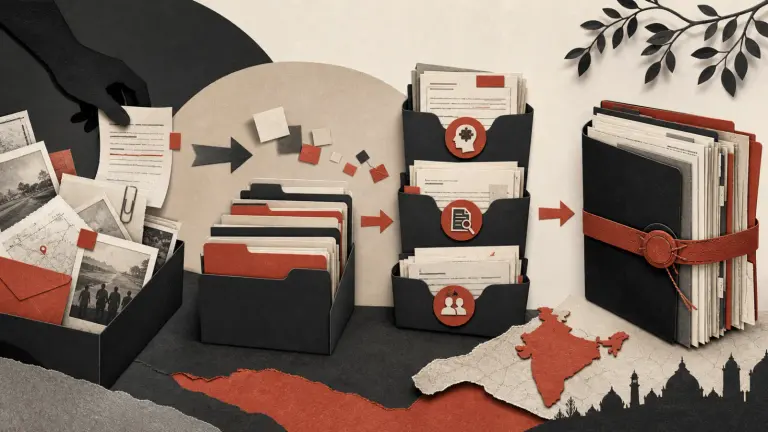
How Gotham researches and reviews field guides