Research checked: 29 October 2026. This guide gives general orientation on mutual-consent divorce under the Hindu Marriage Act, 1955 (HMA) and Special Marriage Act, 1954 (SMA). It does not determine which law applies to an individual marriage.
Agreeing to separate does not itself end a marriage. A divorce requires the applicable legal process and a court decree. The governing statute, jurisdiction, local family-court rules, settlement terms, and both parties' positions can change the steps and outcome. This guide is a starting point for discussion with an Indian family-law advocate, not a filing checklist or legal advice.
First identify the applicable law
Start with the marriage certificate and the record of how the marriage was solemnized or registered. The HMA applies to the persons described in section 2 and is subject to statutory exceptions; the SMA governs marriages solemnized under it and certain marriages registered under it. A couple's present religion, where they live now, or use of the phrase “court marriage” alone does not settle the question. Ask counsel to check the marriage record, any registration under a different statute, prior orders, and relevant personal-law facts.
Under HMA section 13B(1), spouses may jointly present a petition stating that they have lived separately for at least one year, have not been able to live together, and have mutually agreed that the marriage should be dissolved. SMA section 28(1) has its own joint-petition requirements, including at least one year living separately and inability to live together. “Living separately” is a legal question and does not necessarily mean living at different addresses in every case; get advice on the facts rather than assuming the requirement is met.
Both Acts also have a separate restriction on presenting a divorce petition within one year of marriage (HMA section 14; SMA section 29), with limited statutory exceptions requiring the court's permission. These provisions should not be confused with the one-year separation condition for a mutual-consent petition. Counsel should check the current statutory text and whether an exception is relevant.
What the court process commonly involves
In broad terms, spouses and counsel confirm the competent court, prepare the joint petition and supporting papers, and file under the governing Act. The court may examine jurisdiction, statutory conditions, the parties' statements, and whether the decision is voluntary. Depending on the case and court, the process may include counselling or mediation, personal appearances, affidavits, or directions to clarify documents or settlement terms.
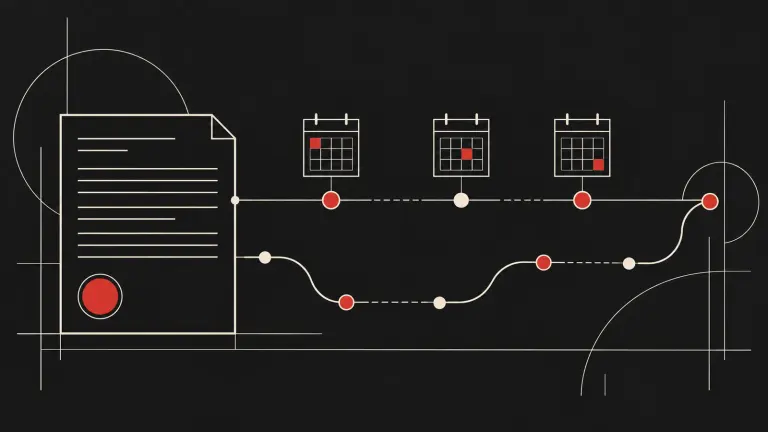
HMA section 13B(2) and SMA section 28(2) provide for a further joint motion after the first petition: ordinarily, it is made no earlier than six months and no later than eighteen months after presentation, if the petition has not been withdrawn. A decree is not automatic at either appearance; the court must be satisfied that the statutory requirements are met. Confirm the current text, filing practice, and computation of dates with counsel and the court registry.
The six-month interval is not an assured minimum in every case. In Amardeep Singh v. Harveen Kaur (12 September 2017), the Supreme Court held that the HMA waiting period may be waived by the court in appropriate cases, applying the factors discussed in that judgment. In Amit Kumar v. Suman Beniwal (11 December 2021), the Supreme Court clarified that those factors are not rigid, mandatory preconditions. These decisions do not make waiver automatic, establish a guaranteed timetable, or remove the need for court satisfaction. Whether and how that waiver reasoning applies to an SMA petition should be checked with counsel; do not assume the HMA ruling resolves every SMA question.
There is no universal completion timeline. Registry requirements, court listing, the case record, any request for waiver, settlement performance, and whether both parties continue to participate all affect timing. A private estimate from one court or case should not be presented as a general promise.
Make the settlement understandable and workable
Before filing, list the issues that matter to the family and record what is agreed, what remains open, and when each agreed step is due. Depending on the circumstances, discuss:
- children's care, residence, parenting time, schooling, healthcare, travel, and expense sharing;
- maintenance or alimony, amount and payment schedule, and any conditions or security;
- residence, personal belongings, jewellery, accounts, jointly held property, loans, and other liabilities;
- pending civil, criminal, maintenance, or protection proceedings, and the lawful steps (if any) proposed for each;
- the sequence for payments, transfers, document execution, withdrawals, and the second motion; and
- what happens if a party does not complete an agreed step or circumstances materially change.
Do not sign a “full and final” settlement that is unclear, pressured, or inconsistent with your interests. Ask an independent advocate to explain every clause, its timing, consequences, and enforceability. A mediated settlement may have consequences beyond the divorce petition; the effect depends on the document, court orders, performance, and facts.
Consent and settlement are related, but not identical questions
A mutual-consent decree under the Acts depends on the parties' consent at the legally relevant stage. Do not assume that filing the first motion guarantees a decree, that a spouse can be forced to complete a mutual-consent divorce, or that a settlement by itself dissolves the marriage. If a party withdraws consent or a settlement term is disputed, get prompt advice on both the pending petition and any contractual, mediation, or court-order consequences. The legal consequences can turn on what was agreed, whether it was recorded or accepted by a court, whether obligations were performed, and whether there is an allegation such as coercion, fraud, or non-performance.
In Dhananjay Rathi v. Ruchika Rathi (13 April 2026), the Supreme Court considered a particular HMA case involving a court-recorded mediated settlement, a first-motion decree, disputed performance, withdrawn consent before the second motion, and other matrimonial proceedings. The Court discussed the continued ability to withdraw consent for a statutory mutual-consent decree alongside the consequences of the settlement on those facts. It then dissolved that marriage using its own power under Article 142(1) of the Constitution, on the record before it and subject to specified terms. The judgment should not be reduced to a rule that every mediated settlement prevents withdrawal, that every withdrawal breaches a settlement, or that a family court can grant the same exceptional relief.
Article 142 is a constitutional power of the Supreme Court. In Shilpa Sailesh v. Varun Sreenivasan (1 May 2023), a Constitution Bench explained the Supreme Court's power to dissolve a marriage to do complete justice in an appropriate case, including on irretrievable breakdown; it is an exceptional Supreme Court remedy assessed on the full facts. Dhananjay Rathi applied that power in its own litigation. Neither decision creates a routine substitute for the HMA/SMA process in family courts, an automatic right to divorce on irretrievable breakdown, or a guaranteed route when one spouse no longer consents. Anyone relying on these decisions should have counsel read the full judgments and assess the procedural posture and facts. Our guide to researching Indian case law by statutory section explains a source-first way to check a judgment against the provision it interprets.
Prepare for a counsel and registry check
For an initial consultation, consider bringing the marriage certificate and ceremony/registration details, identity and address records, a chronology of the relationship and separation, information relevant to court jurisdiction, existing settlement drafts, and copies or case numbers for prior or pending proceedings. Ask counsel which originals, affidavits, translations, witnesses, or financial records are actually needed. For a separate overview of organizing court papers, see the court-filing readiness checklist.
The competent forum and territorial jurisdiction depend on the statute and facts. Filing forms, court fees, counselling or mediation steps, appearance or video-conference rules, affidavit requirements, and registry checklists differ across courts and may change. Verify these directly with the current family-court registry and current official court rules for the place of filing. Do not rely on this article as a complete document list.
Sources and limits
Primary legislation and judgments checked 29 October 2026:
- India Code, Hindu Marriage Act, 1955, consolidated text stated as of 15 April 2026, including sections 2, 13B, 14, 19–23 and 26–28.
- India Code, Special Marriage Act, 1954, consolidated text stated as of 15 April 2026, including sections 28, 29 and 31–33. India Code's indexed record identifies this as the consolidated text dated 15 April 2026. Check the current official text and applicable amendments for the filing date.
- Supreme Court of India, Amardeep Singh v. Harveen Kaur, judgment dated 12 September 2017 (HMA waiver principles).
- Supreme Court of India, Amit Kumar v. Suman Beniwal, judgment dated 11 December 2021 (HMA waiver factors are not rigid mandatory conditions).
- Supreme Court of India, Shilpa Sailesh v. Varun Sreenivasan, judgment dated 1 May 2023 (Constitution Bench on Article 142; Supreme Court power and limits).
- Supreme Court of India, Dhananjay Rathi v. Ruchika Rathi, 2026 INSC 360, judgment dated 13 April 2026 (case-specific settlement and Article 142 decision).
General information only; not legal advice. The cited judgments are not substitutes for advice on an individual's facts. No universal timeline, waiver, or outcome is promised. A qualified Indian family-law advocate should review the current legislation, applicable statute, jurisdiction, settlement and consent issues, and local procedure before anyone relies on this guide.
Related reading
If an existing maintenance order is unpaid, see the maintenance enforcement guide. For organising the documents and events for advice, use the case chronology guide. Legal teams can explore Gotham workflows or contact Gotham about their review process.
Questions about mutual-consent divorce in India
Does filing a joint petition end the marriage?
No. The marriage ends only when the court grants a divorce decree after it is satisfied that the applicable legal requirements are met. Filing the first petition does not guarantee a decree.
Which law applies: the HMA or the SMA?
It depends on how the marriage was solemnized or registered and the parties' legal circumstances. A marriage certificate and registration details are useful starting points, but a family-law advocate should confirm the governing statute.
Is the six-month interval always required?
The HMA and SMA provide for a second joint motion ordinarily no earlier than six months after the first petition. Supreme Court decisions discuss waiver under the HMA in appropriate cases, but waiver is not automatic. Ask counsel whether the rule and any waiver reasoning apply to the specific case and statute.
Can one spouse withdraw consent after the first motion?
Consent for a mutual-consent decree must continue at the legally relevant stage. The consequences for a settlement or other court proceedings depend on the agreement, orders, performance and facts. Get advice promptly if consent or performance is disputed.
This article is general information, not legal advice. The applicable law, jurisdiction, process and outcome depend on current law and the facts. Consult a qualified Indian family-law advocate for advice on an individual matter.
How Gotham researches and reviews field guides