Moving out early can create two separate money disputes: what happens to rent under the lease, and what the landlord may deduct from a security deposit. A third amount often causes confusion: prepaid “last month’s rent.” Florida law treats these categories differently, and the date you return the keys does not by itself answer every question.
Start by collecting the lease, any addenda, your nonrenewal notice, messages about leaving early, the key-return or walk-through record, the deposit receipt, and the landlord’s written charges. Then ask the landlord to state in writing which remedy under Florida Statute § 83.595 and which lease provision they are using, how each amount was calculated, and what dates they relied on.
This guide covers ordinary Florida residential tenancies. It is general information, not a decision about any one tenant’s right to a refund. A written early-termination agreement, the exact surrender date, the lease language, and the landlord’s choice under Florida Statute § 83.595 can change the analysis.
Separate the three amounts
Write down each item on its own line before responding:
| Amount | What to check |
|---|---|
| Security deposit | Deposit amount paid, written claim notice, itemization, delivery date, and your response deadline |
| Advance or “last month’s” rent | Which rental period it covers, whether it became due, whether it was applied, and whether the landlord says it remains owed |
| Rent or fee after early move-out | The lease’s fixed end date, any early-termination agreement, the landlord’s selected § 83.595 remedy, and any rent received from reletting |
Do not assume the phrase “last month’s rent” means security deposit. Florida Statute § 83.49 distinguishes deposits from advance rent. It also says advance rent can be disbursed to the landlord when the rental period covered by that advance begins. Ask the landlord to identify whether a payment was a deposit, advance rent for a specified month, or some other charge.
The same is true of a claimed paint charge. Ask for an itemized amount, the lease basis, photographs, invoices or estimates, and an explanation of how the charge relates to damage rather than ordinary turnover work. The statute’s notice procedure does not decide whether a particular repair deduction is justified.
Find out what the landlord says happened to the lease
Florida Statute § 83.595 applies after a tenant’s breach when the landlord has obtained a writ of possession, the tenant has surrendered possession, or the tenant has abandoned the home. It gives the landlord different remedies. Those choices have different consequences, so a new tenant moving in does not automatically settle whether the former tenant owes more rent or is due a particular refund.
The statute allows a landlord to:
- Treat the rental agreement as terminated and retake possession for the landlord’s own account, ending further tenant liability.
- Retake possession for the tenant’s account and seek the difference between the lease rent and rent recovered through reletting. Under this option, the landlord must make a good-faith effort to relet, and rent received from reletting must be deducted from the rent balance.
- Stand by and do nothing, holding the tenant liable for rent as it comes due.
- Charge an agreed liquidated-damages amount or early-termination fee if the statutory conditions are met.
The fourth option is not a fee the landlord can simply add after the tenant leaves. The statute requires acceptance when the agreement was made and a separate addendum signed by the tenant. The fee cannot exceed two months’ rent, and the statute sets notice conditions. It also permits rent and other charges accrued through the end of the month in which the landlord retakes possession, plus property-damage charges.
These options make the documents important. A text saying “sounds like a plan” about an earlier move-out could help show what the parties agreed to, but it may not answer whether the lease ended, whether the landlord accepted surrender, or which remedy the landlord selected. Save the complete conversation, including dates and any later messages, and compare it with the written lease and addenda.
If the landlord reports that a new tenant will move in, ask for the date possession was retaken and the date the new tenancy begins. If the landlord is using § 83.595(2), ask how the rent received was credited and request a month-by-month calculation. If the landlord says the agreement ended under another option, ask which one and the date they say it took effect. Avoid asserting that Florida law always requires a pro-rata rent refund; the statute’s options and your agreement matter.
A simplified example
Assume, only for illustration, that a tenant’s written agreement ends on 30 November, the tenant hands over possession on 16 October, and the landlord signs a replacement lease starting 1 November. If the landlord chooses § 83.595(2), the replacement rent received for overlapping dates must be deducted from the prior tenant’s rent balance. If the landlord instead elected a different statutory remedy, the analysis is different. The dates alone do not identify the remedy, prove what the replacement tenant paid, establish whether the parties agreed to terminate the first lease, or determine the security-deposit claim. That is why a request for the lease clause, chosen option and itemized calculation is more useful than assuming a fixed refund.
Check the nonrenewal notice separately
A notice that you will not renew at the end of a fixed term is different from an agreement to end the lease early. Under § 83.575, a specific-duration rental agreement may require a tenant to give notice before leaving at the end of the term only if it also requires the landlord to give notice within that period if the landlord will not renew. The notice period cannot be less than 30 days or more than 60 days.
If a tenant misses a lease-end notice requirement, the agreement may provide liquidated damages, but the statute imposes additional conditions. The landlord must give written notice with the required information within 15 days before the notice period begins. Section 83.575 addresses failure to give notice before vacating at the end of the agreement; it does not convert an earlier move-out into an automatic lease termination.
Compare the clause with your calendar. Note the lease-end date, when you sent notice, how you sent it, and any proof of delivery. If the landlord claims a notice fee, ask for the exact clause, the separate statutory notice they sent, when they sent it, and the calculation. Do not assume a notice clause is enforceable or unenforceable without checking the contract and statutory conditions.
Calendar the security-deposit notice process
Section 83.49 generally requires a landlord to return a security deposit, with interest if required, within 15 days if the landlord does not intend to make a claim. If the landlord intends to impose a claim, the statute generally requires written notice of the intention and reason within 30 days after termination of the rental agreement. The notice must use the method allowed by the statute, including the applicable electronic-delivery rules.
If you receive a written notice claiming part or all of a deposit, the statute gives you 15 days after receipt to object in writing to the deduction. A late or missing objection does not waive every right to bring a separate action, but it can allow the landlord to deduct the claimed amount through the statutory process. If the landlord misses the 30-day notice period, § 83.49 says the landlord must return the deposit and may not set off the claim against it, although the landlord may later sue for damages after returning it.
An early move-out can make the relevant termination date less obvious. Section 83.49(3) describes the deadline in relation to vacating for termination of the rental agreement, while the lease may have a later fixed end date and the parties may disagree about whether early surrender ended it. Keep the key handover and acceptance records, but do not assume that the 30-day clock necessarily began on the day you moved your belongings. Get advice promptly if the dates are close or disputed.
There is also a separate notice rule for a tenant who vacates or abandons before the lease term ends. Unless the written agreement says otherwise, § 83.49(5) requires at least seven days’ written notice by certified mail or personal delivery, including an address where the tenant can be reached. Not giving that notice relieves the landlord of the notice requirement in § 83.49(3)(a), but it does not erase the tenant’s rights to the deposit. This early-vacancy notice is not the same as the lease’s end-of-term nonrenewal notice.
Build a clean evidence file
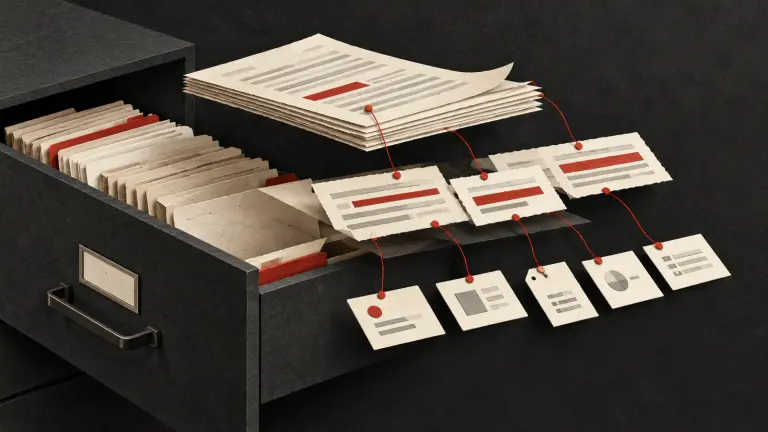
Keep an unedited copy of the records that show what each party did and when:
- The signed lease, renewal, rules, and all addenda, especially any early-termination fee or end-of-term notice clause.
- The notice of nonrenewal and proof of delivery; the early-move-out proposal; the landlord’s response; and any written surrender or settlement agreement.
- The move-out inspection, dated photos or video, key handover receipt, and messages about the landlord accepting possession or restricting later access.
- Deposit and advance-rent receipts, ledger entries, bank statements, and the month each payment covered.
- The landlord’s itemized deposit notice, delivery envelope or email headers, photographs, estimates, paid invoices, and dates of repairs.
- Any lawful evidence the unit was relet, including the date the new tenancy began. Do not enter the property, access another tenant’s information, or misrepresent yourself to obtain it.
Make a one-page timeline with the lease end date, notice date, promised move-out date, date keys were returned, date the landlord says it took possession, start date of a replacement tenancy, and every payment or written claim. Keep the original messages; export or screenshot them with visible dates. A concise record helps a lawyer, legal-aid provider, or court self-help service spot which statutory path may fit.
For a professional reviewing the file, Gotham's case-chronology guide explains how to keep event dates, source records, disputed facts and inferences distinct. The timeline is a practical aid; it does not decide which § 83.595 remedy applies.
Send a focused written request
Instead of arguing that the landlord “cannot double charge,” ask for a separated accounting. For example, request that the landlord identify:
- Whether the landlord says the lease ended early, and the date and agreement supporting that position.
- Which option under § 83.595 the landlord is using for rent after surrender.
- The month-by-month rent calculation, including any rent credited from reletting and any amount applied from prepaid last month’s rent.
- Each proposed security-deposit deduction, its lease basis, amount, photographs, and supporting estimate or invoice.
- The date and method of any § 83.49 notice, and the address or email to which it was sent.
Use neutral language, keep a copy, and avoid admitting that a particular amount is owed before you understand the calculation. If you dispute a deposit claim, make any objection in writing within the statutory period and keep proof that it was delivered. A request for documents does not necessarily extend a deadline.
When to get local help
Consider contacting a Florida tenant lawyer, legal-aid organization, or county court self-help service if the landlord is demanding a large balance, the lease contains an early-termination addendum, the parties disagree about whether possession was surrendered, or a notice deadline may be near. Bring the lease, timeline, payment records, and all written notices. Ask the adviser to evaluate the exact remedy and dates rather than relying on a general statement that a landlord must always refund rent after re-renting.
If you are organizing a contract packet for counsel, Gotham's contract data-extraction guide describes a source-linked review process for locating clauses and amendments; the actual lease and addenda still need to be read in context. For a broader intake and document checklist, see the legal case-intake workflow. For counsel planning next steps across the documents and deadlines, see the litigation-readiness workflow. These are operational guides, not Florida landlord-tenant authorities.
If you want help structuring the document review around the lease, notices and payment records, explore Gotham's document workflows. They support record organization; they do not decide the applicable rent remedy or deposit claim.
Florida law provides procedures for deposit notices and several different remedies for early termination. The practical next step is to separate the deposit, advance rent, and post-surrender rent claims, then match each one to the lease, the statutory option invoked, and the record of what happened.
Questions about leaving a Florida rental early
Does a Florida landlord have to refund rent after re-renting the unit?
It depends on the remedy under Florida Statute § 83.595 and the agreement. If the landlord retakes possession for the tenant’s account, rent recovered through reletting must be credited against the rent balance. Other statutory options differ, so a new tenant alone does not answer every accounting question.
Is prepaid last month’s rent the same as a security deposit in Florida?
Not necessarily. Florida Statute § 83.49 treats security deposits and advance rent separately. Advance rent may be disbursed when that rental period begins. Ask for each amount to be identified by type and period.
How long does a Florida landlord have to make a claim against a security deposit?
Section 83.49 generally requires return within 15 days if there is no claim, or written notice of an intended claim within 30 days after termination of the rental agreement. An early surrender before the stated lease end can make the termination date fact-sensitive.
What should I save if I moved out before the lease ended?
Keep the lease and addenda, nonrenewal and move-out notices, messages about returning keys or accepting possession, walk-through records, dated photos, the deposit/advance-rent ledger, the landlord’s itemization, and any lawful evidence of a new tenancy or possession date.
Does a 60-day nonrenewal notice end a Florida lease early?
No. Florida Statute § 83.575 concerns notice provisions for leaving at the end of a specific-duration agreement. Early surrender or early termination is a separate issue under the lease, any written agreement, and § 83.595.
Does a new tenant automatically end my old Florida lease?
Not by itself. Section 83.595 provides different remedies after surrender or breach, and the lease, any early-termination agreement, the landlord’s chosen remedy and the relevant dates all matter. Ask for the remedy and rent calculation in writing.
General information about Florida residential tenancies, not legal advice. Your lease, written notices, surrender or termination agreement, dates, and the landlord’s chosen statutory remedy can change the result. Confirm current law and your facts with a Florida tenant attorney, legal-aid provider, or court self-help service.
How Gotham researches and reviews field guides