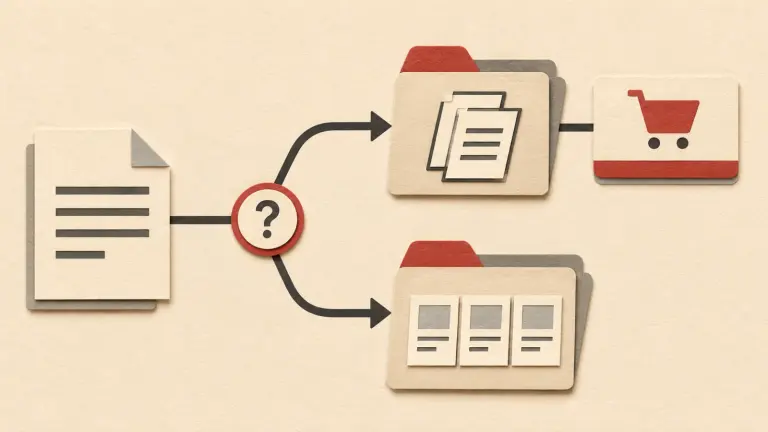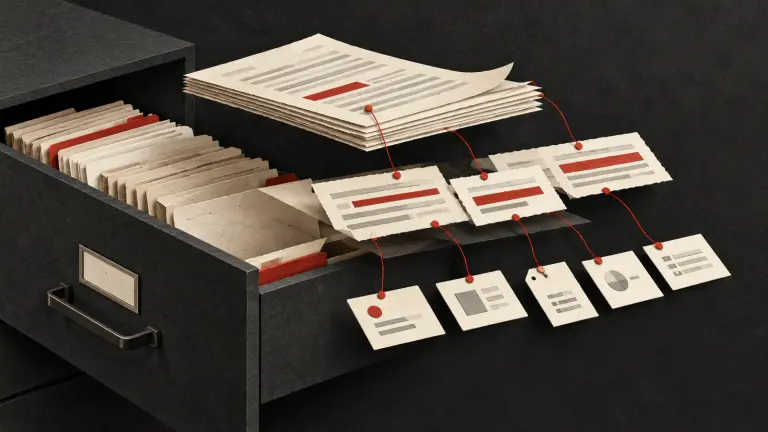
A supplier order confirmation that differs from the purchase order should create a visible review task, not an unnoticed system update. Link the confirmation to the exact PO version, identify each changed field, and route the difference to the buyer or other role authorized by your policy and contract process. Treat urgency as a separate question: the business may need a continuity decision quickly, but that does not mean the price or other change has already been approved.
This is a practical handoff problem, not a single tolerance question. A German-language procurement discussion about a price changing between an issued PO and its order confirmation is one practitioner example. Public process documents show why teams compare fields and route differences: Cargill's supplier-specific PO confirmation guide lists price, quantity, currency, delivery, and other confirmation details and directs suppliers to contact the buyer when details differ. That is Cargill's process, not a rule for other organizations.
This workflow is for procurement, purchasing, receiving, finance, and accounts payable teams that process enough orders for small mismatches to disappear in email or ERP status fields. It does not set a universal tolerance or decide whether any particular supplier term is accepted. Use your own agreement, delegated authority, and controls to decide who can approve a change.
The handoff problem starts after the PO is issued
Purchase-order intake decides how a request enters the buying process. After the organization issues a PO, a supplier confirmation can return with a different price, quantity, delivery date, shipping method, item, or payment detail. A buyer who clicks “confirmed” or changes the ERP record under time pressure can make an unreviewed difference look like the approved baseline. Receiving may then expect one thing, while AP sees another.
The control objective is straightforward: preserve the issued order, compare the supplier response with it, and make an authorized decision before downstream teams rely on changed data. The contract-aware procurement intake guide explains how teams route the original purchase request. This guide starts at the later handoff, when the supplier responds to an already-issued order.
Some procurement systems support configurable checks for this comparison. For example, SAP Supply Network Collaboration documentation describes price deviation analysis for supplier confirmations. The configured tolerance and downstream effect depend on that organization's system and controls; the example does not establish a generally appropriate threshold.
Define the records and states first
Use stable names for the main records:
- Purchase order: the approved version sent to the supplier, including any controlled revision.
- Supplier confirmation: the supplier's response tied to that PO number and version.
- Variance record: a linked note or workflow item that lists differences, evidence, owner, status, and decision.
- Approved change: the record that your process uses to authorize a revised price, quantity, date, or other term.
Do not replace the original PO file when a change is approved. Preserve the issued version, the confirmation, the variance, and any later approved version or amendment. A reviewer should be able to tell which version the supplier saw, which version receiving used, and what AP used when reviewing an invoice.
| State | What it means | Required next step |
|---|---|---|
| Exact match | The confirmation matches the controlled PO fields within approved tolerances | Record the match and send the confirmed version to receiving and AP |
| Needs review | One or more controlled fields differ, or the source documents conflict | Keep the variance visible and assign an owner with a due time |
| Clarification requested | The buyer needs the supplier to explain a difference or identify its basis | Record the request, response deadline, and affected deliveries |
| Approved change | An authorized approver has approved a specific change under the organization's process | Save the approval and create the required revised record before relying on it |
| Exception or hold | Evidence is missing, authority is unclear, or supply continuity requires a separate decision | Escalate to the designated owner; record any interim action and review deadline |
An ERP label such as “acknowledged” or “confirmed” should not silently move a variance into the approved-change state. Use system statuses that distinguish receipt of a supplier response from approval of its contents.
Compare the fields that can change the deal or the operation
The comparison should be systematic enough to catch more than a price difference. At minimum, match the supplier, purchasing entity, PO number and version, item or service identifier, description, quantity, unit of measure, unit price, extended price, currency, discounts, freight, delivery date, delivery location, and payment details. Add the fields that matter for the category, such as packaging, specifications, service levels, warranty, or schedule milestones.
Capture the source for each comparison. For example, a price may come from the PO, a current price schedule, a framework or master agreement, an approved quote, or a prior controlled change. A mismatch should point to both values and both sources rather than relying on a comment such as “price looks high.” The contract data extraction guide covers preserving source text and verifying extracted fields; the same source-first habit helps when comparing PO records and supplier confirmations.
| Difference | Questions to resolve | Useful evidence |
|---|---|---|
| Price, discount, or currency | Which approved price basis applies to this order? Is the difference limited to open orders, future orders, or both? | PO and version history, price schedule, quote, calculation, supplier explanation |
| Quantity or unit | Does the supplier confirm the requested quantity and unit, or substitute a pack size or minimum? | Requisition, PO line, specification, confirmation line |
| Delivery date or destination | Does the change create a production or receiving risk? Which sites and deliveries are affected? | Requested schedule, confirmation, receiving plan, operations owner input |
| Freight or other charges | Is the charge shown separately, included in the price, or newly introduced? | PO, pricing schedule, quote breakdown, category guidance |
| Item or specification | Is the supplier proposing a substitute, revised scope, or a different service level? | Approved specification, scope, technical reviewer response |
| Payment or administrative detail | Does it change a controlled field or merely clarify an administrative reference? | PO, supplier master data, finance policy, contract record |
Do not assume that a difference is harmless because the order total is small or a supplier is familiar. Equally, do not route every clerical mismatch to the same senior approver. Define which fields and tolerances can be handled routinely, which need business or finance approval, and which require contract-owner or specialist review.
Give each role a clear handoff
One role should own the variance until it is closed. Contributors can supply facts without inheriting the decision.
| Role | Owns | Handoff |
|---|---|---|
| Buyer or procurement operations | Compare the confirmation with the PO, create the variance record, contact the supplier, and coordinate the route | Sends a concise difference summary to the business owner, contract owner, or approver |
| Requesting business or operations owner | Confirms need, delivery impact, substitute acceptability, and urgency | Gives an operational recommendation and any transition or continuity constraints |
| Contract or category owner | Identifies the current commercial baseline, applicable schedule, and sourcing context | Recommends whether the change can proceed through the existing control path or needs escalation |
| Finance or delegated approver | Reviews budget or financial effects within delegated authority | Records approval, rejection, or conditions for a specific variance |
| Receiving team | Confirms what arrived against the approved PO and notes shortages or substitutions | Sends receipt evidence to procurement and AP against the correct version |
| Accounts payable | Checks invoice data against the approved PO and receipt under the organization's controls | Routes an unresolved mismatch to the named buyer or approver, rather than changing the price record itself |
Keep the division of responsibility visible. A buyer may coordinate the process, but the person who can approve a price or scope change should be named in the organization's delegation. AP can identify an invoice mismatch without deciding that a supplier's higher amount is approved.
Use a short, repeatable decision sequence
- Capture the incoming confirmation. Store it with the supplier, PO number, receipt time, and source channel. Preserve the original file or message.
- Match it to the right PO version. Check supplier, entity, order number, line identifiers, revision, and any earlier approved changes. If the version is uncertain, stop and assign a record owner.
- Compare controlled fields. Highlight each difference against the source values. Do not change the PO simply to make the supplier confirmation appear to match.
- Classify the difference. Separate clerical corrections, operational changes, commercial changes, and unclear cases. Apply approved tolerances and category rules.
- Ask for missing evidence. Request the supplier's explanation, calculation, affected order list, or corrected confirmation. Set a response date and keep the variance open.
- Route the decision. Send the field-level comparison to the role with authority. Include delivery impact and the source documents so reviewers do not reconstruct the issue from email.
- Record the outcome. Save approval, rejection, corrected confirmation, or exception direction. If approval is conditional or time-limited, record the condition and end date.
- Update downstream records. Create the controlled revision or change record required by policy. Notify receiving and AP, and update future-order pricing only after approval.
- Close the loop. Reconcile receipt, invoice, and approved PO version. Review repeated differences by supplier, buyer, category, and reason.
The supplier response and the internal PO are related records, but neither should erase the other. If the parties or systems use an approved amendment or revised order, preserve the full chain and the effective version that each team should use.
Keep cumulative changes visible
When a supplier gives a percentage or cost explanation, record the calculation and assumptions. Ask whether it applies to orders already placed, scheduled deliveries, or only new orders. A simple arithmetic explanation is not a verified entitlement or a decision to accept. The relevant owner should compare it with the contract and purchasing policy and decide what action is authorized.
Handle urgency without losing the approval trail
If a delayed shipment would stop a critical operation, record the continuity issue separately from the commercial variance. Identify the affected orders and dates, the available alternatives, the operational owner, and the deadline for a decision. Use the organization's exception route and record who authorized any interim action, what it covers, and when the team must review it again.
Do not use an urgent receipt or phone call as a reason to overwrite the PO or remove the mismatch from the queue. Make the interim status visible to receiving, procurement, finance, and AP. A backup owner should know what remains unresolved if the primary buyer is unavailable.
A fictional example
Fictional company Northstar Parts issues a PO for 400 pump assemblies at an approved unit price. The supplier confirmation shows the same quantity and requested date but a unit price 7 percent higher. The buyer links the confirmation to the issued PO and opens a variance record. The business owner says the assemblies are needed for a scheduled maintenance shutdown. Finance asks whether the higher price applies only to this batch or to later deliveries too. The category owner checks the current pricing source and asks the supplier for a line-level explanation and a corrected or revised confirmation.
The business team separately gives its continuity recommendation. The approver decides under the company's delegated process whether to accept a documented time-limited exception, reject the change, or request another option. Procurement preserves the original PO, confirmation, explanation, decision, and any revised record. Receiving uses the approved version for the delivery, and AP can see the same version and approval when reviewing the invoice. The example illustrates the workflow; it does not establish a universal tolerance, commercial outcome, or legal rule.
Sample variance record
Keep the decision record short enough to complete during live purchasing work:
Supplier and purchasing entity: [record identifiers] PO number and issued version: [number / date / file link] Supplier confirmation: [file link / received date] Changed fields: [PO value / confirmation value / source] Affected orders or deliveries: [lines, quantities, dates] Operational impact: [owner and deadline] Current state: exact match / needs review / clarification / approved change / exception Decision owner: [role] Decision and conditions: [outcome / approval record / effective scope] System updates and notices: [PO version / ERP / receiving / AP] Next action, owner, and due date: [task]
For ongoing ownership and evidence after a contract is signed, see the contract obligation management workflow. The same principle applies here: keep the responsible owner, source record, decision, and follow-up connected.
Common failure points
- A confirmation is treated as an approval. Receipt of a supplier response is only an event. Keep separate statuses for received, reviewed, and authorized.
- The PO is overwritten. Preserve the issued version and use the approved change path so the history remains intelligible.
- Only the total is compared. A matching total can hide a different quantity, unit, delivery date, or line mix.
- A phone call has no record. Log the decision, approver, scope, effective period, and any supplier confirmation required by the process.
- Urgency hides future exposure. Identify whether the variance affects one shipment, open orders, or later purchases.
- AP corrects the record to pay an invoice. Route the mismatch to the buyer or approver and retain the source evidence.
- Small changes are reviewed in isolation. Maintain the baseline and history so repeated changes can be assessed together.
- No one owns the follow-up. Assign a primary owner, backup, response date, and escalation path before closing the queue item.
Rollout checklist
- Define which PO fields must match and which tolerances have been approved.
- Separate supplier-response receipt from internal approval status.
- Require the confirmation to link to a PO number and version.
- Assign a buyer, operational owner, approver, receiving contact, and AP escalation route.
- Define hold, clarification, change, and exception states.
- Preserve the original PO, confirmation, variance, approval, and revised record.
- Make receiving and AP use the approved version and source record.
- Track whether changes affect open orders, future deliveries, or new orders only.
- Review repeated variances and system mismatches with procurement and finance.
- Pilot in one category, inspect false alerts and missed differences, then adjust the workflow through the policy owner.
If your team is mapping how a supplier change should move from procurement review to contract ownership, approval, receiving, and AP, talk to Gotham about the workflow you want to make easier to follow.
Questions about supplier order confirmation differences
What should we do when a supplier confirmation does not match the purchase order?
Record the difference, link the confirmation to the correct PO version, and route it to the buyer or delegated approver. Keep it in a review state until the authorized owner decides whether to correct the record, approve a documented change, or ask the supplier to clarify.
Should accounts payable pay an invoice that uses the higher confirmed price?
Route the variance through your organization's invoice and approval controls. AP should be able to see the approved PO version, receipt evidence, and any authorized change before deciding how to process the invoice.
Which fields should procurement compare?
Compare supplier and purchasing entity, PO number and version, item or service, quantity, unit and total price, currency, discounts, delivery date and location, freight, payment details, and any other fields controlled by your agreement or policy.
How should an urgent delivery be handled while a mismatch is under review?
Separate the supply-continuity decision from approval of the commercial difference. Use the designated exception route, record who authorized the interim step, set a review deadline, and keep the variance visible to receiving and AP.
How do we stop repeated price differences from accumulating unnoticed?
Track the agreed baseline, each approved change, affected open orders, and future deliveries. Reconcile the effective price in the procurement and finance systems against the source record before the next order or invoice relies on it.
General operational guidance, not legal, procurement, financial, or regulatory advice. Follow your organization's contract terms, purchasing policy, approval authority, and accounting controls; seek qualified advice for a specific decision.
How Gotham researches and reviews field guides