A bill that is much higher than usual deserves a careful check, but the increase alone does not establish that the meter or bill is wrong. Compare the dates, meter readings, units, tariff and charges first. If something still does not match, send a written complaint to your electricity distribution company, often called the distribution licensee or DISCOM, and keep its acknowledgement.
National consumer rules provide a specific response when a consumer says a meter reading does not match consumption: the distribution licensee must test the meter within 30 days of receiving the complaint. For this type of complaint, the 2024 amendment also requires an additional meter within five days to verify consumption for at least three months. These are central-rule time periods for the specified meter-reading complaint. Your State or Union Territory's tariff, supply code and grievance rules determine many other billing and escalation details.
Check what the bill actually records
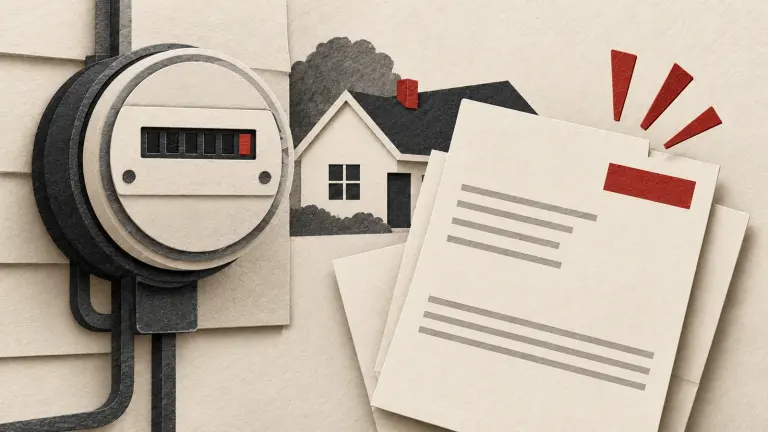
Put the latest bill beside the previous bill and the meter. Before submitting a complaint, note the billing period, start and end dates, and number of billed days. A longer-than-usual cycle can increase the total even when daily consumption is similar. Check the meter number or serial printed on the bill against the number visible on the meter. If they differ, record both and ask the licensee to confirm which meter is mapped to your account. Do not open or interfere with the meter.
Look for the reading type. The bill may say actual, estimated, provisional, remotely read or use another term. The licensee's definitions and applicable rules govern what each label means. If the reading is estimated, ask why an actual reading was unavailable, how the estimate was calculated and when an actual reading will be used to reconcile it.
Compare the previous reading, current reading and billed units. Check for any multiplier, adjustment or correction shown. If safe and practical, photograph the meter display with the date and retain the original file. Do not touch exposed wiring, break a seal or try to test the equipment yourself.
Review the consumer category and each charge: slab or time-of-day rates where applicable, fixed or demand charges, fuel or other adjustments, taxes or duties, arrears, late charges, credits and subsidy entries. The names and calculation of these items vary by tariff order and consumer type. A useful screening calculation is units per day: divide the billed units by the number of billed days and compare with a similar period. This can reveal a longer billing cycle or a sharp change in recorded consumption, but weather, occupancy, appliances, meter configuration and tariff category can all affect the result.
Match the difference to a specific question
Use the discrepancy to decide what information to request. If the current reading appears below the reading on the bill, or the meter number differs, ask the licensee to confirm the meter identity, reading used and reading date. If the bill is estimated or provisional, ask why and when it will be reconciled with an actual reading. If units rose sharply but the dates and display seem consistent, request the reading history and itemised calculation before concluding that the meter has failed.
For an unfamiliar slab, category, fixed charge or adjustment, ask which tariff-order provision and consumer category the calculation uses. Compare that answer with the tariff order for your State or Union Territory and your connection type. If a payment, credit, subsidy or prior adjustment is missing, give the transaction date and receipt or reference number, and request a revised statement showing how the amount was applied.
If you suspect a stopped display, damaged seal, burned meter or reading that does not match consumption, make a written meter complaint. Ask for a test and retain the acknowledgement. For a reading-consumption mismatch, rule 5(7) also provides for an additional meter. The rule does not determine from the complaint alone whether a bill is wrong or a refund is due; the reading history, test result, calculation and applicable local rules matter.
Complain in writing and keep the record
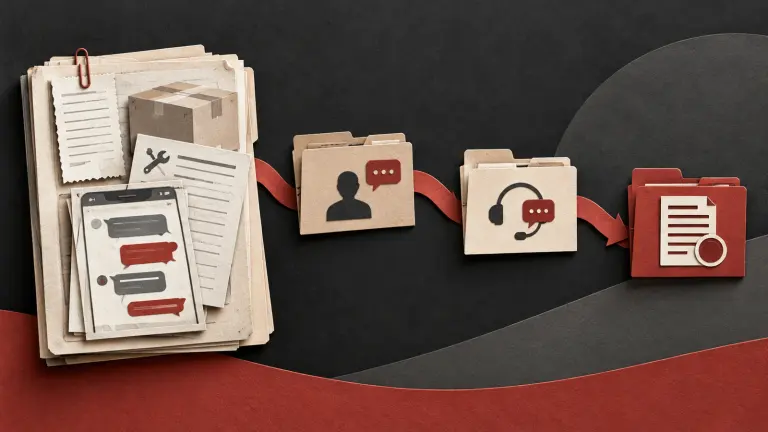
Use the complaint portal, app, email, helpline or office listed on your bill or the distribution licensee's official website. Ask for a complaint or service-request number. If you speak by phone or in person, follow up through a traceable channel with the date, location and reference for that interaction.
Include only what is needed to identify the connection and investigate the bill: the consumer or account number, service address and meter serial number; bill number, billing period, amount and units; and whether the reading is shown as actual or estimated. Describe the specific mismatch, such as a reading date, meter identity, arithmetic item, tariff category or missing payment. Attach relevant bills, a dated meter-display photograph if available, payment proof and earlier complaint references. State the action requested, such as an itemised explanation, corrected bill, reading check, meter test or additional-meter verification.
Ask for the response and any calculation, inspection note or test result in writing. Keep the submitted complaint, attachments, acknowledgement, replies and test records together. Redact unrelated personal and payment information before sharing copies, and use the licensee's secure channel. Do not publish your consumer number, full address, QR code or account details on social media.
Understand the central meter-testing rule
The Electricity (Rights of Consumers) Rules, 2020 set a national consumer-rights framework. Rule 5(7), as substituted by the Electricity (Rights of Consumers) Amendment Rules, 2024, says the distribution licensee must test a meter within 30 days of a complaint about a reading that does not match consumption, stoppage, seal damage, burning or meter damage, and similar issues. For a reading that does not match consumption, the proviso requires an additional meter within five days to verify consumption for at least three months. The Ministry of Power's February 2024 release summarizes the amendment; the Gazette text controls.
This provision concerns specified meter complaints. It does not set every response time for every bill complaint, promise a refund, determine whether a particular bill is incorrect, or replace the applicable State or Union Territory supply code. Ask for the test record and calculation, then check how the relevant tariff and local rules apply to your connection.
The Electricity Act, 2003, section 42(5)–(7) provides for a licensee consumer-grievance forum and a State Commission-appointed Ombudsman. The exact office, form, filing conditions, levels and deadlines depend on the regulations and orders for the State or Joint Commission covering the connection. Begin with the distribution licensee channel shown on your bill or official website, then verify the correct forum and Ombudsman route.
Escalate using the route for your connection
Before filing with a Consumer Grievance Redressal Forum or Ombudsman, check whether you must first approach a particular licensee office or forum level, whether a waiting period or filing deadline applies, which matters are excluded, what documents are required and whether online filing is accepted. Check how a disputed bill or meter-test request should be handled while the grievance is pending, and how to obtain the test result or tariff calculation.
The central Act recognizes the grievance route, but it does not make one state process universal. Section 42 preserves other rights a consumer may have; the appropriate remedy depends on the circumstances. If the amount is substantial, supply is at risk or a formal notice has arrived, obtain advice specific to your State and connection. The consumer complaint guide can help you organize a separate complaint record. If the dispute concerns electricity being cut off by a landlord, see the separate guide on a landlord cutting electricity. Gotham's document workflows explain ways to keep related records together.
Do not treat a complaint as an automatic payment pause
A complaint does not by itself suspend payment or disconnection rules. Section 56(1) of the Electricity Act, 2003 permits a licensee to disconnect for non-payment after giving at least 15 clear days' written notice. Its proviso says supply shall not be cut off pending disposal of a dispute if the consumer deposits under protest either the amount claimed or the electricity charges due for each month calculated on the basis of the average charge for electricity paid during the preceding six months, whichever is less.
That protection has conditions and requires the specified deposit under protest. A bill complaint alone is not the same thing. Do not assume that nothing is due or that filing a complaint stops a deadline. Check the notice and the State or Union Territory supply code, and speak to the licensee or a qualified adviser before deciding what to pay or contest.
A short checklist before you submit
- I matched the consumer number and meter serial number.
- I checked the billing period, reading dates, actual or estimated status, units and calculation.
- I compared the tariff category and charges with the applicable tariff order or asked the licensee to identify it.
- I described a specific mismatch and attached only relevant records.
- I used an official complaint channel and saved the complaint number and submitted copy.
- If readings do not match my consumption, I requested meter testing and additional-meter verification under rule 5(7).
- I checked the local forum and Ombudsman route and did not assume that a complaint pauses payment obligations.
For help organizing a record review, contact Gotham. The right next step still depends on the bill, the meter evidence and the rules that apply to your connection.
Questions about an unexpected electricity bill in India
What should I check first if my electricity bill is much higher than usual?
Compare the billing period, current and previous meter readings, units, meter number, reading type, tariff category and listed charges with your last bill and meter display. A higher bill can have several causes, so the difference alone does not prove a meter fault.
What if the meter reading does not match my electricity use?
Send a written complaint to the distribution licensee through its official channel and keep the acknowledgement. Rule 5(7) of the Electricity (Rights of Consumers) Rules, as amended in 2024, provides for meter testing within 30 days; when the complaint concerns readings that do not match consumption, it also provides for an additional meter within five days for at least three months.
Can I ask for a meter test?
Yes. State that the reading appears inconsistent with your consumption and request meter testing. For a reading-consumption complaint, the central rule provides a 30-day testing period and an additional meter within five days for a minimum three-month verification period. Keep the complaint record and ask the licensee how testing will be arranged.
Where can I escalate an electricity-bill complaint?
Start with the distribution licensee's complaint channel shown on your bill or its official website. If it is not resolved, check the Consumer Grievance Redressal Forum and Electricity Ombudsman process, forms, eligibility and timelines notified by your State or Joint Electricity Regulatory Commission.
Should I stop paying a bill I believe is wrong?
Do not assume a complaint suspends payment or disconnection rules. Section 56(1) of the Electricity Act has a conditional under-protest protection while a dispute is pending, subject to a specified deposit. A complaint alone does not create that protection. Check the notice and local supply code, and seek qualified advice if supply is at risk.
General information, not legal advice. Electricity tariffs, billing rules, complaint channels, response periods and escalation procedures depend on the state or Union Territory, distribution licensee, consumer category and facts. Verify the current tariff order and grievance rules for your connection before acting.
How Gotham researches and reviews field guides