Choose a reporting route
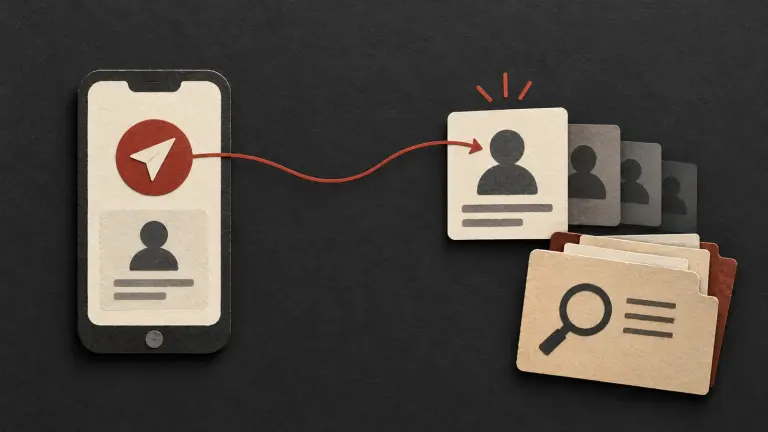
The Government of India's National Cyber Crime Reporting Portal accepts online cybercrime reports. Its current FAQ describes separate options for women/child-related reports and other cybercrimes, with categories that include online and social media crime, financial fraud, ransomware and hacking. Use the category and instructions displayed on the portal for your situation. The FAQ identifies an anonymous reporting option for online rape/gang-rape (RGR) content; do not assume that option applies to other report types, and confirm the current portal instructions before relying on it.
For suspected financial cyber fraud where money has just moved, contact your bank or payment provider promptly through its official channel and call 1930 or report through the portal. The Ministry of Home Affairs describes 1930 as a helpline to assist with lodging online cyber complaints, in the context of immediate reporting of financial fraud (MHA release). Quick reporting may help the authorities and participating institutions act, but does not guarantee that a transaction can be stopped or funds restored. For a completed or suspected payment fraud, the separate guide on what to do after an online refund problem covers a different consumer process. This guide stays focused on reporting and evidence.
For immediate danger or an urgent local safety concern, contact local police or the applicable emergency service directly. The online portal is a reporting channel, not emergency dispatch.
Prepare a clear account and preserve records
Write a brief timeline before you start: when the incident happened, which service or account was involved, what you observed, what changed, and what steps you have already taken. Keep facts you directly observed separate from information someone else supplied. Mark estimates and uncertainties; do not guess who was behind an account or present suspicion as a proven finding.
Preserve relevant original messages, emails, URLs, account or device identifiers, transaction records and screenshots. Keep surrounding context and dates where possible. Avoid editing originals or posting sensitive evidence publicly. The portal's complainant checklist lists information it asks complainants to have ready, including incident details and relevant evidence. It currently lists identity-document and evidence upload requirements; those technical requirements may change, so check the live page before filing. Share personal or intimate material only through an official, appropriate channel and only as needed.
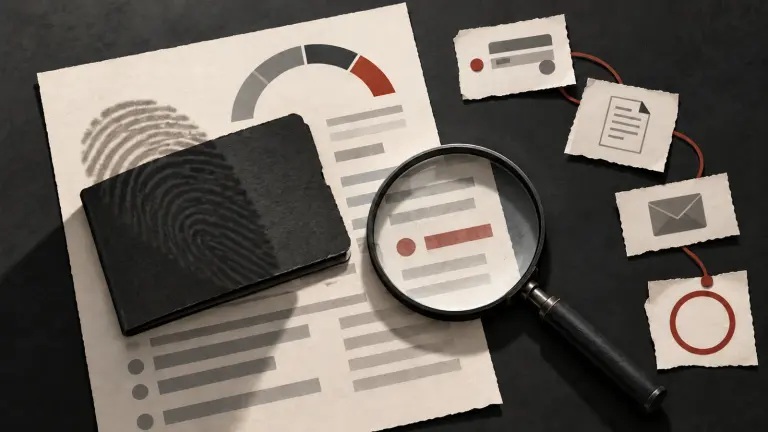
A simple evidence index can make a report easier to review. Give each file a number and note its date or time, what it is, where it came from (for example, an email, app, bank statement or device), and which event in your timeline it relates to. Refer to that number in your narrative instead of repeating long descriptions. The portal’s complainant checklist identifies incident date and time, incident details, identity information and relevant evidence; it also lists transaction details for financial fraud. Follow the live page for current accepted formats and upload limits.
Keep an unedited copy of original messages, emails, call details or transaction records when available. The portal’s citizen manual advises preserving original evidence such as call details, recordings and emails. If you make an annotated or redacted copy for your own working notes, label it as a copy and keep the original separately. In your account, say what a record shows and separate that from your explanation or suspicion. A screen display may support what you saw, but avoid stating that it proves who controlled an account unless you have a reliable basis for that claim.
Before filing, compare the attachment list with your evidence index and keep a copy of the exact narrative and files submitted. Record the acknowledgement number and date beside that copy. Do not publish evidence to solicit help; submit sensitive material only through the official channel and only when relevant to the report. If an urgent financial fraud is involved, do not postpone contacting the bank or 1930 while preparing a complete packet.
File, then keep the receipt
Open the portal and follow its current prompts for the relevant report type. Review the narrative and attachments before sending. Save the acknowledgement or complaint number, a copy of what you submitted, the attachment list and the submission date. Use the portal's current status or follow-up instructions, and respond through an official channel if more information is requested.
An online acknowledgement shows that information was received through that reporting system. It does not, by itself, decide whether an offence occurred or establish that an FIR has been registered. The Ministry of Home Affairs says State and Union Territory law-enforcement agencies handle reported cybercrime incidents, including any conversion to FIRs and subsequent action, under applicable law. Ask the relevant police authority what further step applies to your circumstances. A portal submission should not be assumed to meet a deadline or procedural requirement in another matter.
If you want to give information directly to police, contact the relevant police station or an official police channel and ask how they will record it and what acknowledgement to keep. Section 173(1) of the Bharatiya Nagarik Suraksha Sanhita, 2023 says information relating to a cognizable offence may be given to an officer in charge of a police station regardless of where the offence occurred, orally or by electronic communication. If sent electronically, the provision says it is taken on record when signed by the person giving it within three days. This is a rule about information to police under the statute, not a claim that a portal submission is an FIR or that every cybercrime report follows the same path. Which provisions apply depends on the facts and law; this general guide cannot determine whether a specific report must be registered as an FIR or advise how to pursue a disputed police response.
If you are unsure what to include
- Report what happened in your own words; do not try to select a legal offence based on a search result or advice from an unknown caller.
- Do not delay an urgent financial-fraud report while trying to collect every document.
- Do not delete original messages, devices or transaction records after taking screenshots.
- Do not pay anyone who promises guaranteed complaint closure, arrest or money recovery.
- Do not publish identity documents, intimate content or account details to prove your report online.
If you receive a formal police notice, court document or request that may affect your rights, speak with a qualified Indian lawyer familiar with the relevant issue and state. This guide is general information, not a case-specific legal assessment.
A short preparation checklist
Before you submit, check that you have:
- a dated, factual sequence of events, with estimates clearly marked;
- the relevant account, phone, email, website or transaction identifiers;
- copies of original messages, links, statements and screenshots, with context preserved;
- a copy of the narrative and attachment list you submitted; and
- the acknowledgement number and a secure place to keep follow-up records.
If you cannot gather everything at once, do not delay a time-sensitive financial fraud report while assembling optional material. Use the current official portal instructions, and contact your bank promptly where money or payment access is involved. For a different kind of payment dispute, see our guide to a wrong UPI transfer in India.
Common reporting mistakes to avoid
A clear report distinguishes direct observations from conclusions. “A transfer of ₹X left my account at this time” is more useful than naming a suspect without supporting information. Preserve unedited originals where possible. A screenshot can help explain a record, but it may not retain the full message headers, URL, timestamp or surrounding conversation. Keep those details separately if available.
Use the official portal or verified police contact information you locate independently. Do not rely on a phone number sent by an unknown caller who claims to be a police officer, bank investigator or recovery agent. Never share an OTP, password, PIN or remote-access code to “verify” a complaint. A person promising guaranteed arrest, closure or recovery is not an official reporting channel.
Further information
This general guide is not a case-specific legal assessment. For official services and wider India-focused legal workflow information, start with Gotham’s India legal technology overview or legal workflows. Legal teams can contact Gotham about their document and matter workflows; those product pages do not provide individual legal advice.
Questions about reporting a cybercrime in India
Can I file a cybercrime complaint online in India?
The National Cyber Crime Reporting Portal accepts online reports for the categories shown on its current site. Choose the route that fits the incident and follow the live form instructions. For urgent physical danger, contact local police or emergency services directly.
Is an online acknowledgement the same as an FIR?
No. An acknowledgement confirms that information was received through that reporting system. It does not by itself establish that an FIR has been registered or decide what offence occurred. Ask the relevant police authority what further step applies.
What should I do after online financial fraud?
Contact your bank or payment provider promptly through a verified channel and call 1930 or report through the official portal. Preserve transaction details and the complaint receipt. Reporting quickly may help the relevant institutions act, but it does not guarantee that a transfer can be stopped or recovered.
Can I report anonymously?
The portal FAQ describes anonymous reporting for specified online rape/gang-rape content. Do not assume anonymous filing is available for other categories. Check the current portal directions before submitting.
Does a portal report satisfy every legal deadline?
Do not assume that it does. A portal report is a reporting channel and may not replace a step, deadline or notice required in another proceeding. Get advice from a qualified Indian lawyer if a formal deadline or legal right is involved.
This article is general information, not legal advice. It does not classify an offence, guarantee investigation or recovery, or replace emergency help or case-specific advice from a qualified Indian lawyer.
How Gotham researches and reviews field guides