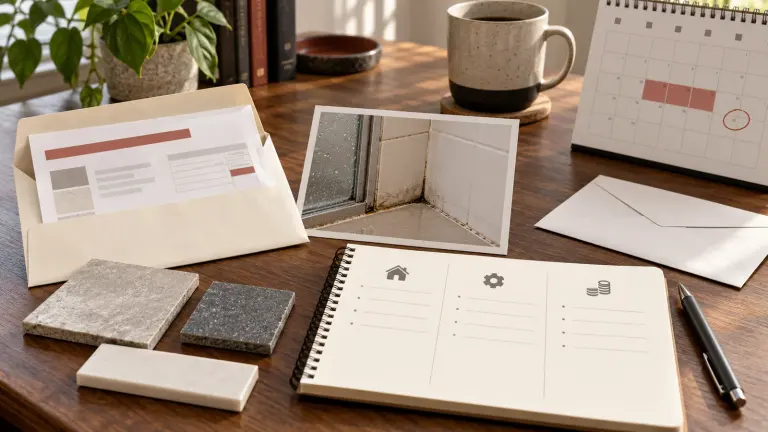
When a resident landlord says a bathroom leak or damaged shower will cost thousands of pounds, treat the repair demand, deposit and any comments about an employer or reference as separate issues. Keep the agreement, payment record, dated messages, photographs and repair papers together. Then ask what evidence supports the cause of the damage and each amount claimed. A photo of a damaged tile or a repair quote may document condition and cost, but neither alone establishes who caused the problem.
This England guide uses “lodger” as a practical description, not a legal conclusion. The exact arrangement matters, including whether the landlord lives in the home, which facilities are shared, and what the parties agreed. It does not decide whether a shower leak resulted from use, a hidden defect, installation, maintenance or a combination of causes.
First confirm the living arrangement
Write down where the landlord lives, when they moved in, which kitchen, bathroom or living areas you share, whether you have a room for your exclusive use, and what services are included. Keep the written agreement, but do not rely only on its heading. The government’s guide to a lodger’s tenancy type explains that sharing living space with a resident landlord or family member can affect whether an occupier is likely to be an excluded occupier. It also notes that a person who does not share living space may have basic protection instead. When comparing the agreement with the living arrangement, the vendor contract review checklist offers a structured way to capture disputed terms without treating a heading as the entire answer.
Those are fact-sensitive categories. A private en-suite bathroom, a separate floor, or the parties’ use of the word “lodger” does not answer every status question by itself. If the landlord did not live at the property, you did not share facilities, or the agreement and living pattern conflict, get advice before relying on a notice, deposit rule or eviction assumption. The government’s resident-landlord guide also cautions that the court ultimately determines whether an arrangement is a tenancy or licence when that is disputed.
Build a timeline for the leak and the repair claim
Make a dated record of when you first noticed water, loose grout, a smell, dampness or another sign; when you reported it; what the landlord inspected; what work followed; and when the amount was first demanded. Attach messages and photos to the relevant date. If the landlord says an earlier report would have reduced the damage, identify what you noticed and when, rather than guessing when a concealed fault began.
If it helps, use a simple case-intake chronology to organize the dates and documents before discussing the amount.
Separate these questions in the record:
- What physical condition is visible, and on what date was it photographed?
- Was there an earlier leak, plumbing issue, loose tile, failed seal or ventilation concern?
- When did each person first learn about the problem?
- What work was recommended, and why?
- Which parts of the quote relate to the reported damage rather than upgrades or unrelated work?
- What does the agreement say about reporting problems, care of the room, and responsibility for damage?
Do not alter, repair or dispose of a disputed item just to improve a later argument. If urgent work is needed to prevent further damage, preserve the available photos and messages first where safe, and ask for the scope and reason for the work in writing. The underlying evidence may be incomplete; the purpose of a timeline is to expose what is known and what still needs checking.
Ask for the basis of the amount
Request an itemized breakdown rather than responding only to a headline figure. Ask for dated photographs, inspection notes, the contractor’s diagnosis, a quote or invoice, and an explanation of which work addresses the leak and which work replaces or improves other parts of the bathroom. If the repair is already complete, ask for the final invoice and a short explanation of what was found when the area was opened.
Compare the claimed work with the evidence you have, but avoid concluding that a landlord or contractor is lying because their explanation differs from yours. A visible failure at the shower base does not by itself establish whether the cause was maintenance, installation, water use or delayed reporting. If the claim is substantial, consider getting an independent housing or legal adviser to review the agreement and evidence before admitting liability or agreeing to a payment plan.
Handle the deposit as its own record
Keep the amount paid, payment date, receipt or bank record, and any written description of what the deposit covers. GOV.UK’s lodger deposit and rent guidance says a landlord may keep money from a lodger’s deposit for missed rent or property damage, should keep a record of payment, and should return the balance after deductions. It also says lodger deposits do not have to be protected in an approved tenancy deposit scheme.
That guidance is different from the rules and alternative dispute resolution process for many tenant deposits. Do not assume a lodger can use a tenancy deposit scheme’s dispute service or claim the same statutory remedy that may be available to a tenant. If your living arrangement may actually be a tenancy, seek advice on classification before applying a lodger guide or tenant guide to your facts.
If the landlord proposes a deduction, ask for the amount, reasons and supporting documents in writing. State which facts you agree with and which you dispute. If money is offered as a settlement, read any wording about full and final settlement carefully; get advice before signing a document that releases a broader claim than the repair amount.
Keep reference or employer messages separate
Save exact messages about contacting an employer or referencing agency, including the date and surrounding conversation. If someone is contacted, record who received the communication, what was said, and whether they can provide a copy or contemporaneous note. Keep this separate from the bathroom evidence so the dispute does not become a single, unsupported allegation about motive or legality.
You can make a neutral written request that any future discussion about the repair be sent to you in writing and that the landlord not share unnecessary personal details. If the communication creates an immediate safety issue, prioritize a safe place to stay and contact appropriate local support. For privacy, employment or harassment concerns, get advice on the specific facts before alleging a legal violation. A threat to contact an employer is not, by itself, a finding that a law has been broken.
Know what to do if a court letter arrives
If the landlord actually brings a money claim, read the court documents and follow the date and method on them. GOV.UK’s money-claim response guide explains that the recipient must respond by the deadline on the claim and can respond, defend or make a counterclaim depending on the case. A message saying “I will sue” is not the same as a court-issued claim.
Do not ignore a formal court document while negotiating. If a deadline is close or you are unsure whether you are a lodger, tenant, excluded occupier or occupier with basic protection, seek qualified advice promptly. The legal route and evidence questions can differ by status and by the exact agreement.
Checklist
- Save the agreement, rent and deposit records, and all messages about the repair and references.
- Record who lives in the home and what facilities are shared before relying on the word “lodger.”
- Build a dated leak, report, inspection and repair timeline.
- Ask for the repair diagnosis, itemized quote or invoice, and explanation of the amount claimed.
- Keep the deposit calculation separate from the question of who caused the damage.
- Preserve employer or reference communications without assuming they establish unlawful conduct.
- Respond to actual court papers by the deadline shown and seek case-specific advice.
Gotham helps teams organize records and review document workflows. It does not assess property damage, determine housing status, negotiate a deposit or provide legal advice. To discuss a document workflow, contact Gotham, or see the general document workflow overview.
Questions about a lodger repair demand
Does calling someone a lodger settle their legal status?
No. The GOV.UK guide says the way a person shares the home affects their status. A resident landlord, shared facilities, the agreement and actual living arrangements all matter; a court is the final decision-maker if status is disputed.
Can a landlord deduct bathroom repair costs from a lodger’s deposit?
GOV.UK says a landlord can keep money from a lodger’s deposit for property damage and should return the balance after deductions. That does not decide whether the lodger caused the particular damage or whether the amount claimed is supported.
Does a lodger’s deposit have to be protected in a government scheme?
GOV.UK says a landlord does not have to protect a lodger’s deposit in an approved tenancy deposit scheme, though they may choose to. Do not assume the tenant deposit scheme process or its dispute service applies to a lodger.
What should I ask for when a landlord claims a large repair cost?
Ask for an itemized explanation, dated photographs, the inspection or contractor findings, the quote or invoice, and the link between the alleged conduct and each repair item. Keep your own timeline and records; these requests do not determine liability.
What if the landlord threatens to contact my employer or reference?
Keep the exact messages and record any contact that occurs. Separate the repair disagreement from the communication concern, avoid escalating allegations, and get advice if the contact creates a concrete safety, privacy or employment issue. The threat alone does not prove what a court or regulator would decide.
General information about lodger and resident-landlord arrangements in England. Labels in an agreement do not alone determine legal status. This article does not decide who caused a leak, the amount of any loss, or whether a particular communication is unlawful.
How Gotham researches and reviews field guides